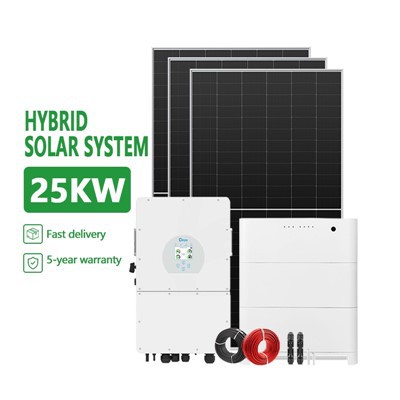
As a supplier of Hybrid Solar Power Systems, I'm often asked about how these systems operate during the winter months. Winter brings with it unique challenges for solar power generation, but a well - designed hybrid solar power system can still function effectively. In this blog, I'll explain in detail how a Hybrid Solar Power System works in winter.
Understanding Hybrid Solar Power Systems
Before diving into the winter operation, let's briefly understand what a Hybrid Solar Power System is. A hybrid solar power system combines both solar panels and a storage solution, typically batteries, with the option to connect to the grid. This combination allows for a more reliable and efficient power supply. When sunlight is available, solar panels convert solar energy into electricity. A portion of this electricity can be used to power your home or business directly, while the excess is stored in the batteries. During times when solar generation is low or non - existent, such as at night or on cloudy days, the stored energy in the batteries can be used to meet the power demand. If the battery charge is depleted, the system can draw power from the grid.
You can explore our Hybrid Solar Power System for a more in - depth look at our product range.
Challenges in Winter
Winter presents several challenges for solar power systems:
- Reduced sunlight hours: In winter, the days are shorter, which means there are fewer hours of sunlight available for solar panels to generate electricity. For example, in high - latitude regions, the sun may only be above the horizon for 6 - 8 hours a day compared to 12 - 16 hours in summer.
- Low sun angle: The sun sits lower in the sky during winter. This low angle causes the sunlight to pass through a greater thickness of the Earth's atmosphere, resulting in more absorption and scattering of sunlight before it reaches the solar panels. As a result, the intensity of sunlight hitting the panels is reduced.
- Snow and ice: Snow accumulation on solar panels can block sunlight from reaching the photovoltaic cells, preventing them from generating electricity. Ice can also form on the panels, which not only reduces sunlight penetration but can also cause physical damage to the panels if it expands and contracts.
How Hybrid Solar Power Systems Overcome Winter Challenges
Despite these challenges, hybrid solar power systems are designed to work efficiently in winter:
- Energy storage: The battery storage component of a hybrid solar power system plays a crucial role in winter. During the limited sunlight hours in winter, the solar panels still generate some electricity. The excess energy produced during the daytime is stored in the batteries. This stored energy can then be used during the longer nights or on overcast days when solar generation is insufficient. For instance, our 10kw Hybrid Solar System comes with high - capacity batteries that can store a significant amount of energy to meet your power needs during winter.
- Grid connection: If the stored energy in the batteries is depleted and the solar panels are not generating enough power, the system can draw electricity from the grid. This grid - connection feature ensures a continuous power supply even in the harshest winter conditions. It provides a safety net, making the hybrid solar power system a reliable choice for year - round power.
- Optimized panel design: Modern solar panels used in hybrid systems are designed to be more efficient at low - light levels. They can still generate electricity even on cloudy or overcast days. Additionally, the panels are often installed at an optimal angle to maximize sunlight capture during winter. A steeper angle can help in reducing snow accumulation as snow is more likely to slide off the panels.
Monitoring and Adjustment in Winter
Monitoring your hybrid solar power system during winter is essential. Most modern systems come with monitoring software that allows you to track the performance of your solar panels, battery charge levels, and power consumption. By closely monitoring the system, you can identify any issues early, such as a drop in panel efficiency due to snow or a malfunctioning battery.
If you notice that snow is accumulating on the panels, you can take steps to remove it safely. However, it's important to follow the manufacturer's guidelines for panel cleaning to avoid damaging the panels. Some systems also have automated snow - removal mechanisms or panel heating elements that can help keep the panels clear of snow.
Cost - Efficiency in Winter
While the solar generation may be lower in winter, a hybrid solar power system can still be cost - effective. The stored energy in the batteries reduces the reliance on grid power, which can lead to significant savings on your electricity bills. Moreover, in some regions, there are government incentives and subsidies for using renewable energy sources, including solar power. These incentives can further offset the initial investment cost of installing a hybrid solar power system.
Case Studies of Winter Performance
Let's look at some real - world examples of how hybrid solar power systems perform in winter. In a small town in northern Canada, a family installed our Complete Solar System for Home Hybrid. Despite the long, cold winters with limited sunlight, the system was able to meet a significant portion of their electricity needs. The battery storage allowed them to use the stored energy during the nights, and when the batteries were low, the grid connection ensured a continuous power supply. The family reported a substantial reduction in their winter electricity bills and were satisfied with the reliability of the system.


Conclusion and Call to Action
In conclusion, a Hybrid Solar Power System can work effectively in winter, despite the challenges posed by reduced sunlight, low sun angles, and snow. The combination of energy storage, grid connection, and optimized panel design makes it a reliable and cost - effective solution for year - round power supply.
If you're interested in learning more about how a Hybrid Solar Power System can work for your home or business, especially during the winter months, feel free to reach out for a discussion. We can provide detailed information about our product range, installation, and pricing. Our team of experts is ready to answer all your questions and help you find the best solution for your energy needs.
References
- "Solar Energy Fundamentals" by John Blackburn
- "Renewable Energy Systems for Home and Business" by Maria Smith
- Various industry reports on solar power system performance in winter conditions