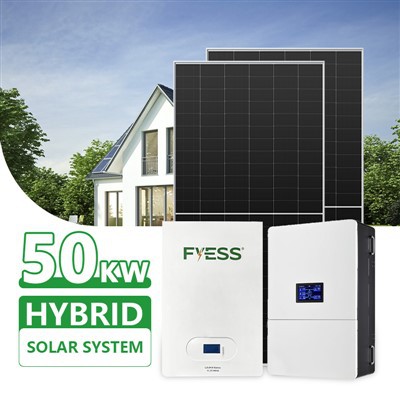
Do all solar inverters have MPPT?
As a seasoned solar inverter supplier, I've been in the thick of the solar energy industry for a long time. One of the most common questions I often encounter is whether all solar inverters come equipped with Maximum Power Point Tracking (MPPT). It's a critical question for anyone looking to invest in a solar power system, as an inverter without MPPT may significantly underperform.
Let's first understand what MPPT is. MPPT is a technology used in solar inverters that enables the inverter to harvest the maximum possible power from the solar panels. Solar panels have a characteristic called the maximum power point (MPP), which changes based on environmental conditions such as sunlight intensity, temperature, and shading. An inverter with MPPT can continuously adjust the electrical operating point of the solar panels to align with the MPP, ensuring optimal power extraction under any condition.
However, not all solar inverters have MPPT. There are essentially two types of solar inverters when it comes to power management: those with MPPT and those with a simpler, fixed-voltage approach. The latter, often referred to as non - MPPT inverters, do not have the ability to track the MPP. They operate at a pre - set voltage, which means they may not capture the maximum amount of power from the solar panels.
Non - MPPT inverters are generally less expensive. They are a more budget - friendly option for small - scale solar installations, such as small off - grid cabins or very basic solar - powered devices. These inverters are suitable for situations where the solar system operates under relatively stable conditions, and the cost - savings are more important than maximizing power output. For example, if you have a small solar - powered shed in an area with consistent sunlight throughout the day, a non - MPPT inverter might be sufficient.
On the other hand, inverters with MPPT offer much higher efficiency and flexibility. They are essential for large - scale solar installations, both on - grid and off - grid. In commercial solar farms, where even a small increase in power output can translate to significant financial gains, MPPT is a must - have feature. In residential settings, MPPT inverters can also make a big difference, especially if the solar panel array is exposed to varying sunlight conditions throughout the day or has potential shading issues.
When it comes to our product portfolio, we offer a wide range of solar inverters, with many of them featuring MPPT technology. For instance, our Single Phase Hybrid Solar Inverter is equipped with advanced MPPT capabilities. This inverter is designed to work with both solar panels and batteries, allowing for seamless energy storage and usage. The MPPT function ensures that the maximum power is extracted from the solar panels, which can then be stored in the batteries for later use.
Our On Grid Three Phase Solar Inverter is another product that comes with MPPT. This is a great option for commercial and industrial applications. Three - phase power systems are commonly used in large buildings and factories, and our MPPT - enabled inverter can efficiently convert the DC power from the solar panels into AC power that can be fed into the grid. The MPPT technology helps to optimize the power output, making the solar installation more cost - effective in the long run.
Similarly, our On Grid Single Phase Solar Inverter is suitable for residential solar installations. With MPPT, it can adapt to the changing sunlight conditions on a typical rooftop, ensuring that homeowners get the most out of their solar panels. This inverter is easy to install and maintain, and the MPPT feature adds an extra layer of efficiency to the overall solar power system.
So, how do you decide whether you need an MPPT inverter? Here are a few factors to consider. First, the size of your solar installation matters. If you have a large solar panel array, an MPPT inverter is almost always a better choice. The increased efficiency can lead to significant savings over time. Second, the location of your solar panels is crucial. If your panels are likely to be shaded at some point during the day, or if the sunlight intensity varies greatly, an MPPT inverter will be able to compensate for these changes and maintain a high power output.
Another aspect is your budget. While MPPT inverters are more expensive upfront, the long - term benefits in terms of increased power generation often outweigh the initial cost. If you're on a tight budget and have a small, simple solar setup, a non - MPPT inverter might be a viable short - term solution. However, if you're looking for a long - term investment in solar energy, an MPPT inverter is the way to go.
In conclusion, not all solar inverters have MPPT, but for most modern and large - scale solar installations, it is a highly recommended feature. As a solar inverter supplier, we are committed to providing our customers with the best options to meet their specific needs. Whether you're a homeowner looking to reduce your electricity bills or a business owner aiming for a more sustainable energy solution, we have the right inverter for you.
If you're interested in learning more about our solar inverters or are considering a purchase, we encourage you to reach out to us. Our team of experts can help you choose the most suitable inverter for your solar power system. We look forward to discussing your requirements and assisting you in making an informed decision.


References
- "Solar Energy Engineering: Processes and Systems" by Soteris A. Kalogirou
- "Photovoltaic Systems Engineering" by Markvart T. and Castaner L.