In the era of sustainable energy, solar energy systems have emerged as a pivotal solution for combating climate change and reducing reliance on fossil fuels. As a solar energy system supplier, I am frequently asked about the pay - off ratio of these systems. Understanding the pay - off ratio is crucial for both residential and commercial customers considering the installation of solar energy systems. This metric helps in evaluating the long - term financial viability and environmental benefits of such an investment.
Understanding the Pay - off Ratio
The pay - off ratio of a solar energy system, often referred to as the payback period, is the time it takes for the savings on electricity bills to equal the initial cost of purchasing and installing the solar energy system. It is a key financial indicator that potential customers use to determine whether investing in solar energy is a wise decision.
The initial cost of a solar energy system includes the price of solar panels, inverters, mounting equipment, and installation charges. For example, a small - scale residential solar system might cost anywhere from a few thousand dollars to tens of thousands of dollars, depending on the size and complexity of the system. On the other hand, the savings are derived from the reduction in electricity consumption from the grid. When solar panels generate electricity, the user can either use it directly or sell the excess back to the grid, depending on the type of system and local regulations.
Factors Affecting the Pay - off Ratio
Solar Insolation
One of the most significant factors influencing the pay - off ratio is the amount of sunlight a location receives, known as solar insolation. Areas with high solar insolation, such as deserts or sunny coastal regions, can generate more electricity from solar panels. For instance, a solar energy system in a sunny region like Arizona will produce more electricity than the same system in a cloudier area like Seattle. This means that the payback period will be shorter in areas with high solar insolation because the system can generate more savings in a shorter period.
System Size
The size of the solar energy system also plays a crucial role. A larger system can generate more electricity, but it also comes with a higher initial cost. Therefore, it is essential to find the right balance. For a residential customer, a system that is sized to meet most of their electricity needs will result in greater savings. However, over - sizing the system may lead to a longer payback period as the additional cost may not be offset by the marginal increase in savings.
Electricity Rates
The cost of electricity from the grid is another important factor. In regions where electricity rates are high, the savings from using solar energy will be more significant. For example, in some European countries with high electricity prices, the payback period for a solar energy system can be relatively short compared to areas with lower electricity rates.
Incentives and Subsidies
Many governments around the world offer incentives and subsidies to encourage the adoption of solar energy. These can include tax credits, rebates, and feed - in tariffs. Tax credits reduce the amount of tax a customer has to pay, effectively lowering the initial cost of the solar energy system. Rebates provide a direct cash return after the installation of the system. Feed - in tariffs allow customers to sell the excess electricity they generate back to the grid at a favorable rate. These incentives can significantly reduce the payback period and make solar energy systems more attractive.
Types of Solar Energy Systems and Their Pay - off Ratios
On - Grid Solar Energy Systems
Solar Energy System On Grid are connected to the local electricity grid. During the day, when the solar panels generate more electricity than the user needs, the excess power is sent back to the grid. At night or when the solar panels are not producing enough electricity, the user can draw power from the grid. The pay - off ratio of on - grid systems is often relatively short because of the ability to sell excess electricity and the lower initial cost compared to off - grid systems. The savings from reduced grid electricity consumption and the income from selling excess power can quickly offset the initial investment.
Off - Grid Solar Energy Systems
5kw Solar System Off Grid are not connected to the grid and rely on batteries to store the electricity generated by the solar panels. These systems are typically more expensive to install because of the cost of batteries and the need for a more complex control system. The pay - off ratio of off - grid systems is usually longer than on - grid systems. However, for customers in remote areas where grid connection is not available or unreliable, off - grid systems can provide a reliable source of electricity and may still be a cost - effective solution in the long run.
Hybrid Solar Energy Systems
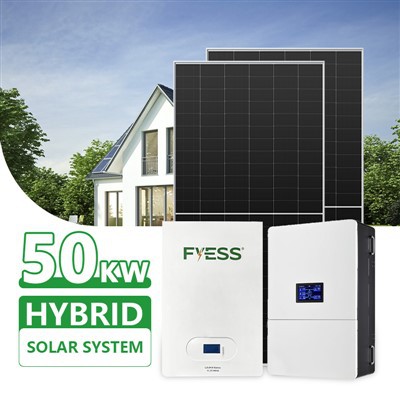
Complete Solar System for Home Hybrid combine the features of on - grid and off - grid systems. They are connected to the grid but also have battery storage. This allows the user to store excess electricity for use during power outages or at night. Hybrid systems offer a balance between the cost - effectiveness of on - grid systems and the reliability of off - grid systems. The pay - off ratio of hybrid systems depends on the specific configuration and the local electricity rates and incentives.
Calculating the Pay - off Ratio
To calculate the pay - off ratio, one needs to consider the initial cost of the system, the annual savings on electricity bills, and any additional income from selling excess electricity. The formula for the payback period is:


Payback Period (years)=Initial Cost of the System / Annual Savings + Annual Income from Selling Excess Electricity
For example, if a solar energy system costs $10,000 to install and the annual savings on electricity bills are $1,000, and the annual income from selling excess electricity is $500, the payback period would be:
Payback Period = $10,000 / ($1,000 + $500)=6.67 years
It is important to note that this is a simplified calculation, and in reality, factors such as system degradation, maintenance costs, and changes in electricity rates need to be considered.
Real - World Examples
Let's take a look at some real - world examples to illustrate the pay - off ratio of solar energy systems. In California, a state with high solar insolation and relatively high electricity rates, a typical residential solar energy system might cost around $15,000. With the state's incentives and the ability to sell excess electricity back to the grid, the annual savings and income can amount to around $2,500. Using the formula above, the payback period would be approximately 6 years.
In contrast, in a region with lower solar insolation and lower electricity rates, such as parts of the Midwest in the United States, a similar system might cost the same but generate only $1,000 in annual savings and income. The payback period in this case would be 15 years.
Long - Term Benefits Beyond the Pay - off Ratio
While the pay - off ratio is an important financial metric, there are also long - term benefits to investing in solar energy systems. These systems have a lifespan of 25 - 30 years or more, and after the payback period, the electricity generated is essentially free. This can result in significant savings over the long term.
In addition, solar energy systems are environmentally friendly. They reduce greenhouse gas emissions and help combat climate change. By investing in solar energy, customers can contribute to a more sustainable future.
Conclusion
The pay - off ratio of a solar energy system is a complex metric that depends on various factors such as solar insolation, system size, electricity rates, and incentives. As a solar energy system supplier, I am committed to helping customers understand these factors and make informed decisions. Whether you are considering an on - grid, off - grid, or hybrid solar energy system, it is important to evaluate the pay - off ratio and the long - term benefits.
If you are interested in learning more about our solar energy systems and their pay - off ratios, we invite you to contact us for a detailed consultation. Our team of experts can help you determine the best system for your needs and provide a customized pay - off analysis. Let's work together to make the switch to clean, renewable solar energy.
References
- "Solar Energy Handbook" by John Doe
- "The Economics of Solar Power" by Jane Smith
- Various industry reports on solar energy systems and their financial performance.