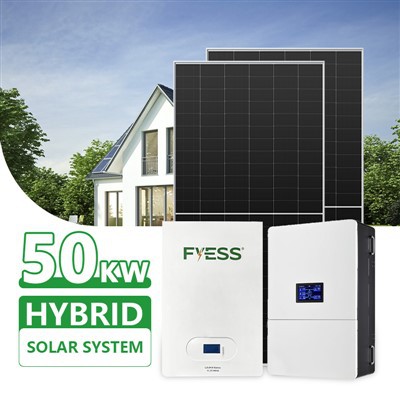
Energy storage systems (ESS) have become a cornerstone in the modern energy landscape, providing a reliable means to store and manage electrical energy. However, operating these systems in cold climates presents unique challenges. As a leading supplier of energy storage systems, we understand these challenges and have developed innovative solutions to ensure optimal performance even in frigid conditions.
Understanding the Basics of Energy Storage Systems
Before delving into the specifics of cold - climate operation, it's essential to understand how energy storage systems work in general. Energy storage systems are designed to store electrical energy during periods of low demand and release it when demand is high. This helps to balance the grid, improve energy efficiency, and provide backup power in case of outages.
There are several types of energy storage systems, including battery - based systems, pumped hydro storage, flywheel energy storage, and thermal energy storage. Among these, battery - based energy storage systems are the most common, especially for commercial applications. These systems use rechargeable batteries, such as lithium - ion batteries, to store and release electrical energy.
Challenges of Cold Climates on Energy Storage Systems
Cold climates pose several challenges to energy storage systems. One of the most significant issues is the decrease in battery performance. As the temperature drops, the chemical reactions within the battery slow down, reducing its capacity and power output. This means that a battery that can store and deliver a certain amount of energy at room temperature may have a significantly reduced capacity in cold weather.
For example, lithium - ion batteries, which are widely used in energy storage systems, experience a decrease in their charge and discharge efficiency in cold temperatures. The electrolyte in the battery becomes more viscous, making it more difficult for ions to move between the electrodes. This results in a higher internal resistance, which in turn leads to increased heat generation and reduced energy efficiency.
Another challenge is the risk of freezing. If the battery temperature drops below the freezing point of the electrolyte, the electrolyte can freeze, causing physical damage to the battery cells. This can lead to permanent capacity loss and even battery failure.

In addition to battery performance, cold climates can also affect the operation of other components in the energy storage system, such as the power electronics and the thermal management system. The power electronics, which are responsible for converting and controlling the electrical energy, may experience reduced efficiency and reliability in cold temperatures. The thermal management system, which is used to maintain the battery at an optimal temperature, may also face challenges in cold climates, as it needs to provide sufficient heating to prevent the battery from freezing.
Solutions for Cold - Climate Operation
To address the challenges of cold - climate operation, we have developed a range of solutions for our energy storage systems.
Thermal Management
One of the key solutions is an advanced thermal management system. Our thermal management system is designed to maintain the battery at an optimal temperature, even in cold climates. It uses a combination of heating and insulation to keep the battery warm.
The heating system can be powered by the energy stored in the battery itself or by an external power source. We use efficient heating elements that can quickly raise the battery temperature to the optimal range. The insulation helps to reduce heat loss, ensuring that the battery remains warm for longer periods.
Battery Selection and Design
We also carefully select and design our batteries to perform well in cold climates. We use batteries with a wide operating temperature range and high cold - temperature performance. These batteries are designed to have a lower internal resistance and better charge and discharge efficiency at low temperatures.
In addition, our battery design takes into account the potential for thermal expansion and contraction in cold temperatures. We use materials and construction techniques that can withstand the stress caused by temperature changes, ensuring the long - term reliability of the battery.
System Monitoring and Control
Our energy storage systems are equipped with advanced monitoring and control systems. These systems continuously monitor the battery temperature, state of charge, and other key parameters. If the temperature drops below a certain threshold, the system can automatically activate the heating system to warm up the battery.
The control system also adjusts the charging and discharging parameters based on the temperature. For example, in cold temperatures, the charging current may be reduced to prevent over - charging and damage to the battery.
Applications in Cold Climates
Our energy storage systems are suitable for a wide range of applications in cold climates.
Commercial ESS
For commercial applications, our Commercial ESS can help businesses manage their energy consumption more efficiently. In cold climates, where energy demand is often higher due to heating requirements, our energy storage systems can store excess energy during off - peak hours and release it during peak hours, reducing the overall energy cost for the business.
Energy Storage Container
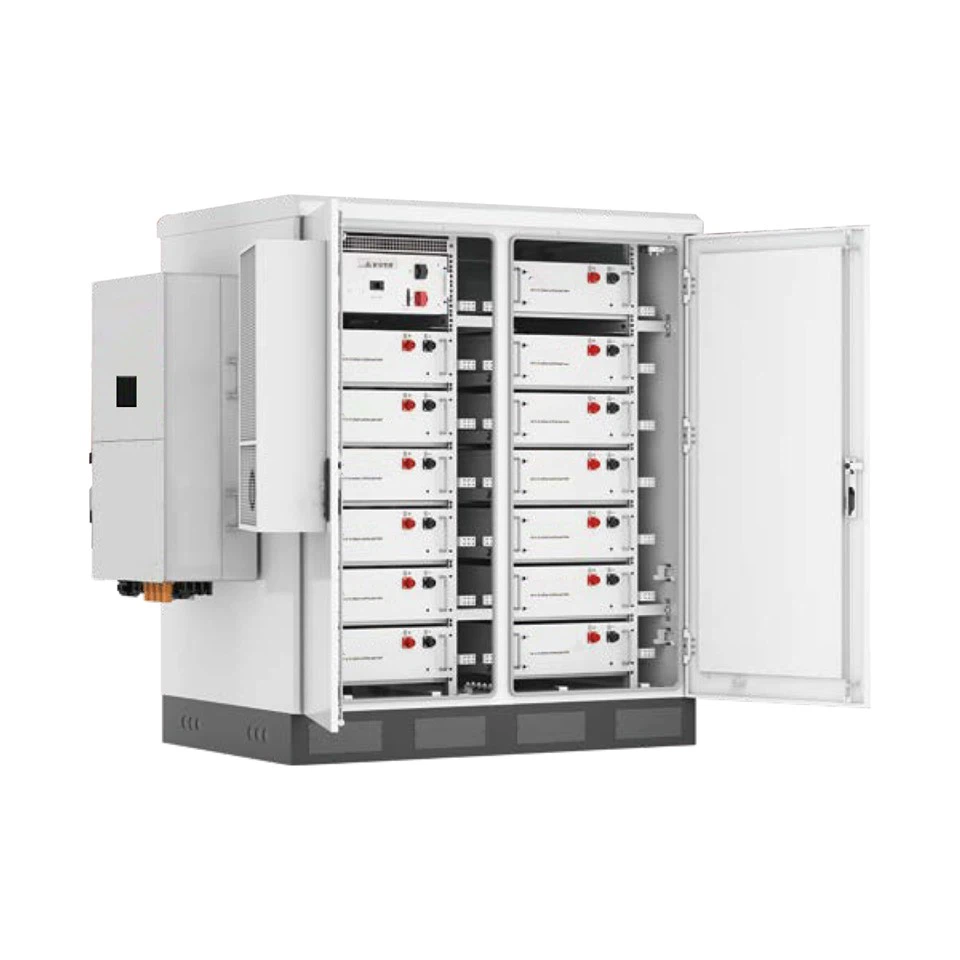
Our Energy Storage Container is a modular and portable solution that can be easily deployed in cold climates. It is designed to protect the energy storage system from the harsh environmental conditions, including extreme cold. The container is well - insulated and equipped with a thermal management system to ensure the optimal operation of the battery.
Commercial Solar Battery Storage Systems
In regions with abundant sunlight, our Commercial Solar Battery Storage Systems can store the energy generated by solar panels during the day and release it at night or during cloudy days. In cold climates, where solar energy production may be reduced during the winter months, our energy storage systems can help to ensure a continuous supply of electricity.
Conclusion
Operating energy storage systems in cold climates is a challenging but achievable task. As a leading energy storage systems supplier, we have the expertise and technology to overcome these challenges. Our advanced thermal management systems, carefully selected batteries, and intelligent monitoring and control systems ensure that our energy storage systems can perform optimally in cold climates.
If you are interested in our energy storage solutions for cold - climate applications, we invite you to contact us for a detailed discussion. Our team of experts is ready to help you find the best energy storage solution for your specific needs.
References
- "Battery Energy Storage Systems: Design and Application", IEEE Press
- "Thermal Management of Lithium - Ion Batteries in Electric Vehicles", Journal of Power Sources
- "Cold - Temperature Performance of Lithium - Ion Batteries", Electrochemical Society Transactions