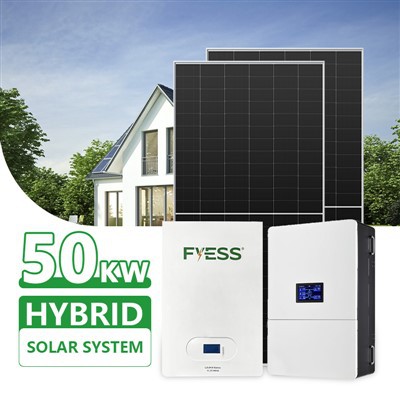
As a supplier of energy storage systems, I've witnessed firsthand the transformative impact these systems have on commercial buildings. In this blog, I'll delve into how energy storage systems work in commercial settings, exploring their components, operation principles, benefits, and more.
Components of Energy Storage Systems in Commercial Buildings
Energy storage systems in commercial buildings typically consist of several key components. The heart of the system is the energy storage medium, which can vary. One of the most common types is lithium - ion batteries. These batteries are favored for their high energy density, long cycle life, and relatively low self - discharge rate. They can store a large amount of electrical energy in a relatively small space, making them ideal for commercial buildings where space may be at a premium.
Another important component is the power conversion system (PCS). The PCS acts as an interface between the energy storage medium and the electrical grid or the building's internal electrical system. It can convert direct current (DC) from the batteries into alternating current (AC) for use in the building or inject it back into the grid. Conversely, it can also convert AC from the grid into DC to charge the batteries.
Monitoring and control systems are also essential. These systems allow building managers or operators to keep track of the state of charge of the batteries, the power flow in and out of the system, and other important parameters. They can also optimize the operation of the energy storage system based on factors such as electricity prices, peak demand periods, and the building's energy consumption patterns.
How Energy Storage Systems Operate
The operation of energy storage systems in commercial buildings can be divided into two main phases: charging and discharging.
Charging Phase
During the charging phase, the energy storage system can be charged from multiple sources. One common source is the electrical grid. When electricity prices are low, for example, during off - peak hours at night, the system can draw power from the grid and store it in the batteries. This is known as time - of - use (TOU) charging. By taking advantage of lower electricity rates during off - peak times, commercial building owners can significantly reduce their energy costs.
Renewable energy sources such as solar panels or wind turbines can also be used to charge the energy storage system. In commercial buildings with on - site solar installations, excess solar energy generated during the day can be stored in the batteries instead of being fed back into the grid at a relatively low price. This stored energy can then be used later when the sun is not shining, such as in the evening or on cloudy days.
Discharging Phase
The discharging phase occurs when the building needs to use the stored energy. There are several scenarios where this can happen. One is during peak demand periods. Electricity prices are typically much higher during peak hours, usually in the late afternoon or early evening when many commercial buildings are still in operation. By discharging the stored energy from the batteries during these peak times, the building can reduce its reliance on the grid, thereby avoiding high - cost electricity.


In the event of a power outage, the energy storage system can also act as a backup power source. It can quickly supply electricity to critical loads in the building, such as emergency lighting, security systems, and essential equipment, ensuring the continuity of business operations.
Benefits of Energy Storage Systems in Commercial Buildings
Cost Savings
As mentioned earlier, energy storage systems can help commercial building owners save on electricity costs through TOU charging and peak shaving. By shifting energy consumption from high - cost peak periods to low - cost off - peak periods, businesses can reduce their overall energy bills. Additionally, in some regions, there may be incentives or rebates available for installing energy storage systems, further reducing the upfront investment.
Energy Management and Reliability
Energy storage systems provide greater control over a building's energy consumption. Building managers can better manage their energy use, ensuring that they have a stable and reliable power supply. This is especially important for businesses that rely on continuous power, such as data centers, hospitals, and manufacturing facilities. In the case of a power outage, the ability to quickly switch to stored energy can prevent costly downtime and damage to equipment.
Environmental Sustainability
By integrating renewable energy sources with energy storage systems, commercial buildings can reduce their carbon footprint. Storing excess renewable energy and using it when needed helps to increase the overall utilization of clean energy, contributing to a more sustainable and greener future.
Types of Energy Storage Systems for Commercial Buildings
All - in - one Energy Storage System
An All - in - one Energy Storage System is a compact and integrated solution. It combines the energy storage medium, power conversion system, and monitoring and control systems into a single unit. This type of system is easy to install and operate, making it a popular choice for small to medium - sized commercial buildings. It offers a plug - and - play solution that can be quickly deployed and start providing energy storage benefits.
Commercial ESS
Commercial ESS is designed specifically for larger commercial applications. These systems are more scalable and can be customized to meet the specific energy storage requirements of different types of commercial buildings. They often have higher energy capacities and can handle larger power loads, making them suitable for big office buildings, shopping malls, and industrial complexes.
Energy Storage Container
Energy Storage Container is a modular and transportable energy storage solution. It is housed in a standard shipping container, which makes it easy to install and relocate. These containers can be used in a variety of commercial settings, including remote locations or temporary facilities. They are also highly customizable and can be configured to meet different energy storage needs.
Considerations for Implementing Energy Storage Systems in Commercial Buildings
When considering implementing an energy storage system in a commercial building, several factors need to be taken into account.
Energy Requirements
The first step is to assess the building's energy consumption patterns, peak demand, and overall energy requirements. This will help determine the appropriate size and capacity of the energy storage system. For example, a data center with high - power and continuous energy needs will require a much larger energy storage system compared to a small retail store.
Space Availability
The physical space available in the building is another important consideration. Different types of energy storage systems have different space requirements. All - in - one systems are more compact, while larger commercial ESS or energy storage containers may need more dedicated space.
Regulatory and Permitting
There may be regulatory requirements and permitting processes involved in installing an energy storage system. Building owners need to ensure that they comply with all local, state, and federal regulations regarding energy storage, including safety standards, electrical codes, and environmental regulations.
Conclusion
Energy storage systems offer a wide range of benefits for commercial buildings, from cost savings and energy management to environmental sustainability. As a supplier of energy storage systems, I'm excited to see the growing adoption of these technologies in the commercial sector. Whether you're a small business owner looking for an easy - to - install all - in - one solution or a large corporation in need of a scalable commercial ESS, there's an energy storage system that can meet your needs.
If you're interested in learning more about how our energy storage systems can benefit your commercial building or if you're ready to start the procurement process, please don't hesitate to contact us. We're here to help you make the most of energy storage technology and take your building's energy management to the next level.
References
- DOE. (2023). Energy Storage Technologies for Buildings. U.S. Department of Energy.
- IEA. (2022). Energy Storage in the Building Sector. International Energy Agency.
- NREL. (2021). Commercial Building Energy Storage Case Studies. National Renewable Energy Laboratory.