


Hey there! I'm a supplier of Cabinet ESS, and I'm super excited to spill the beans on how these nifty devices store excess renewable energy. Renewable energy, like solar and wind, is awesome, but it's a bit unpredictable. The sun doesn't always shine, and the wind doesn't always blow. That's where Cabinet ESS comes in to save the day.
The Basics of Renewable Energy and Storage
Renewable energy sources are becoming more and more popular, and for good reason. They're clean, sustainable, and can help us reduce our carbon footprint. But the big challenge with renewable energy is that it's intermittent. Solar panels only generate electricity when the sun is out, and wind turbines only work when the wind is blowing. This means that there are times when we generate more energy than we need, and other times when we need more energy than we're generating.
That's where energy storage systems come in. They allow us to store the excess energy generated during peak production times and use it later when production is low. Cabinet ESS is one such energy storage solution that's designed to be compact, efficient, and easy to install.
How Cabinet ESS Works
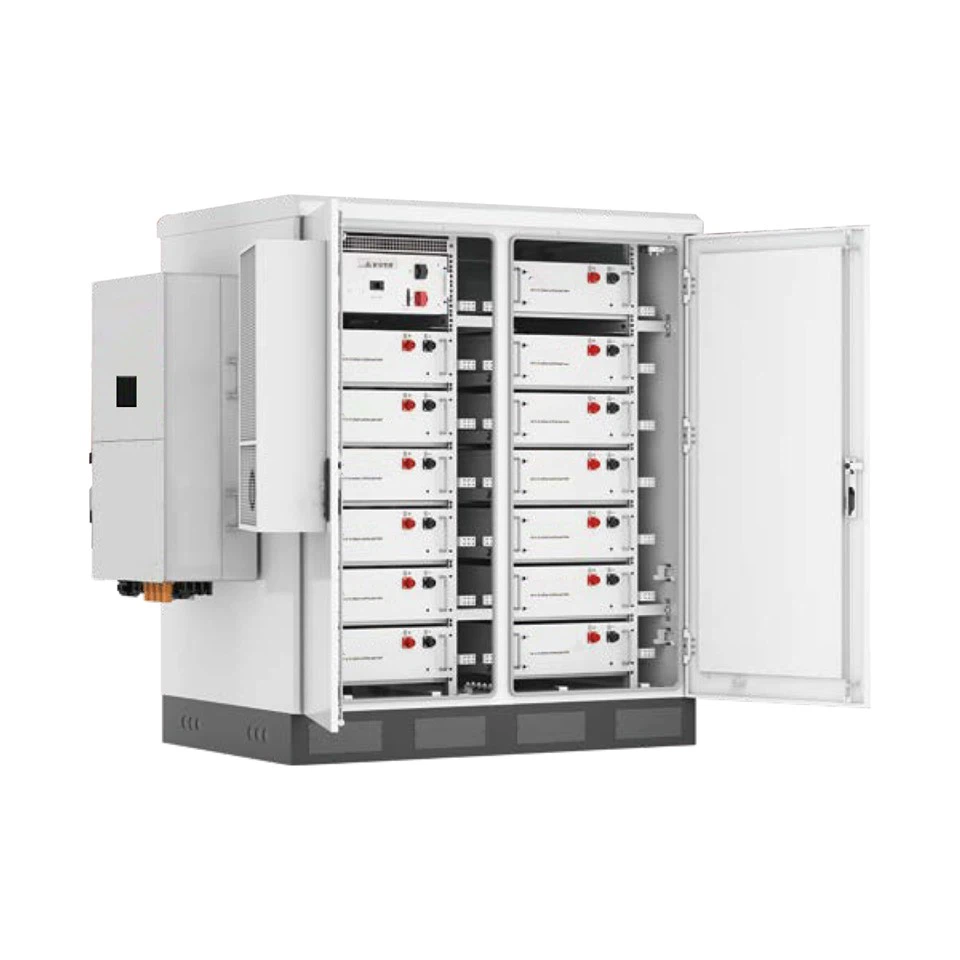
Cabinet ESS uses advanced battery technology to store excess renewable energy. The basic principle is pretty simple. When there's more renewable energy being generated than is being used, the excess energy is sent to the Cabinet ESS. The battery inside the cabinet stores this energy in the form of chemical energy.
When the demand for energy exceeds the supply from renewable sources, the Cabinet ESS kicks into action. The battery converts the stored chemical energy back into electrical energy and sends it to the grid or directly to the end - user. This way, we can ensure a continuous and stable supply of electricity, even when the renewable energy sources aren't producing at full capacity.
Battery Technology
The heart of the Cabinet ESS is its battery. Most Cabinet ESS units use lithium - ion batteries, which are known for their high energy density, long cycle life, and low self - discharge rate. Lithium - ion batteries can store a large amount of energy in a relatively small space, making them ideal for Cabinet ESS applications.
These batteries work by moving lithium ions between two electrodes - the anode and the cathode - through an electrolyte. When the battery is charging, lithium ions move from the cathode to the anode. When the battery is discharging, the lithium ions move back from the anode to the cathode, releasing electrical energy in the process.

Inverter and Power Conversion
In addition to the battery, Cabinet ESS also includes an inverter. The inverter is responsible for converting the direct current (DC) electricity stored in the battery into alternating current (AC) electricity, which is the type of electricity used in most homes and businesses.
The inverter also plays a crucial role in managing the flow of electricity between the battery, the renewable energy source, and the grid. It ensures that the energy is transferred efficiently and safely, and it can also adjust the voltage and frequency of the electricity to match the requirements of the grid or the end - user.
Advantages of Cabinet ESS
Compact Design
One of the biggest advantages of Cabinet ESS is its compact design. Unlike some large - scale energy storage systems, Cabinet ESS can be easily installed in a variety of locations, including commercial buildings, industrial facilities, and even residential homes. Its small size makes it a great option for places where space is limited.
Scalability
Cabinet ESS is also highly scalable. You can start with a single cabinet and add more cabinets as your energy storage needs grow. This flexibility allows you to customize your energy storage solution to meet the specific requirements of your project.
Cost - Effectiveness
Compared to some other energy storage options, Cabinet ESS can be a cost - effective solution. Its relatively low installation and maintenance costs, combined with its long lifespan, make it a smart investment for both small and large - scale energy storage applications.
Applications of Cabinet ESS
Commercial Buildings
In commercial buildings, Cabinet ESS can be used to store excess solar energy generated during the day and use it during peak demand periods. This can help businesses reduce their electricity bills by avoiding high - cost peak - time electricity rates. Check out Commercial Solar Battery Storage Systems for more information on how these systems work in commercial settings.
Industrial Facilities
Industrial facilities often have high and fluctuating energy demands. Cabinet ESS can help these facilities manage their energy consumption more efficiently by storing excess energy and providing it when needed. It can also act as a backup power source in case of power outages, ensuring that critical operations can continue without interruption. Learn more about Commercial ESS for industrial applications.
Residential Homes
For residential homes, Cabinet ESS can be a great way to make the most of solar panels. Homeowners can store the excess solar energy generated during the day and use it at night or during cloudy days. This not only reduces their reliance on the grid but also helps them save money on their electricity bills.
Integration with Other Energy Storage Solutions
Cabinet ESS can also be integrated with other energy storage solutions, such as Energy Storage Container. Energy storage containers are larger - scale energy storage units that can store even more energy. By combining Cabinet ESS with energy storage containers, we can create a more comprehensive and flexible energy storage system.
This integration allows us to take advantage of the strengths of both solutions. The Cabinet ESS can provide quick and easy - to - install energy storage for smaller - scale applications, while the energy storage container can handle larger - scale energy storage needs.
Conclusion
Cabinet ESS is a powerful and versatile energy storage solution that can help us make the most of renewable energy. By storing excess renewable energy, it ensures a stable and continuous supply of electricity, reduces our reliance on non - renewable energy sources, and helps us save money on energy costs.
If you're interested in learning more about Cabinet ESS or are thinking about purchasing one for your home, business, or industrial facility, I'd love to have a chat with you. We can discuss your specific energy storage needs and find the best Cabinet ESS solution for you. Don't hesitate to reach out and start the conversation about how Cabinet ESS can transform your energy usage.
References
- "Lithium - Ion Batteries: Basics, Progress, and Challenges" - Journal of Electrochemical Society
- "Energy Storage Technologies and Real - World Applications" - IEEE Transactions on Smart Grid


