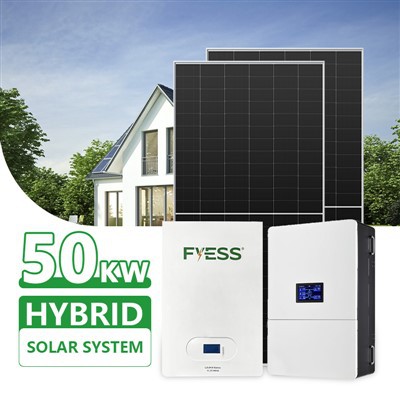
Hey there! I'm a supplier of Solar System On Grid, and today I want to chat about how these solar systems interact with the local power company. It's a topic that a lot of folks are curious about, especially if they're thinking about going solar. So, let's dive right in!
Understanding the Basics of a Solar System On Grid
First things first, let's quickly go over what a Solar System On Grid is. An on - grid solar system, also known as a Grid Tie Solar System, is connected to the local power grid. This setup allows you to use solar energy for your home or business, and when you produce more electricity than you need, that excess can be sent back to the grid.
The main components of an on - grid solar system include solar panels, an inverter, and a meter. The solar panels absorb sunlight and convert it into direct current (DC) electricity. The inverter then takes that DC electricity and turns it into alternating current (AC) electricity, which is what most of our appliances and the grid use. The meter keeps track of how much electricity you're using and how much you're sending back to the grid.
How the Interaction with the Local Power Company Works
Power Generation and Consumption
During the day, when the sun is shining bright, your solar panels are hard at work generating electricity. If your energy consumption at that moment is lower than the amount of electricity your solar panels are producing, the excess power is sent to the grid. This is where things get really interesting.
The local power company has to manage the flow of this excess electricity. They have a complex grid infrastructure that's designed to handle the incoming power from multiple sources, including solar systems like yours. They integrate this additional power into the overall grid supply, which can help meet the energy demands of other customers in the area.
On the other hand, when your solar panels aren't producing enough electricity, like at night or on cloudy days, you draw power from the grid as you normally would. So, it's a two - way street. You're both a consumer and a producer of electricity.
Net Metering
One of the key ways your Solar System On Grid interacts with the local power company is through a system called net metering. Net metering allows you to get credit for the excess electricity you send back to the grid.
Here's how it works. The meter installed at your property measures the difference between the electricity you consume from the grid and the electricity you contribute to it. At the end of a billing cycle, the local power company calculates your net electricity usage. If you've sent more electricity to the grid than you've used, you'll get a credit on your next bill. This credit can be used to offset future electricity costs.
For example, let's say you generated a lot of excess electricity during a sunny summer month. The power company will give you a credit for that amount. Then, when the winter comes and your solar production drops, you can use those credits to reduce your electricity bill.
Grid Support and Stability
Your solar system also plays a role in supporting the stability of the local power grid. As more and more people install Solar System On Grid, the power company can rely on a diversified energy source. Solar power is a clean and renewable energy, and by integrating it into the grid, they can reduce their dependence on fossil fuels.
However, there are also some challenges. Solar power is intermittent, meaning it depends on the availability of sunlight. The power company has to manage this variability to ensure a stable power supply. They use advanced grid management techniques, such as predictive analytics and energy storage solutions, to balance the flow of electricity and keep the grid stable.
Benefits for the Local Power Company and Consumers
For the Local Power Company
- Enhanced Grid Diversification: Having solar systems connected to the grid allows the power company to diversify their energy sources. This reduces the risk associated with relying solely on traditional power plants, such as coal or gas - fired plants.
- Reduced Transmission and Distribution Losses: Solar systems are often located close to the point of consumption. This means less energy is lost during transmission, which can improve the overall efficiency of the grid.
- Meeting Renewable Energy Goals: Many power companies have goals to increase the share of renewable energy in their energy mix. The addition of solar systems on the grid helps them achieve these targets.
For Consumers
- Lower Electricity Bills: As mentioned earlier, net metering can significantly reduce your electricity costs. By producing your own electricity and getting credits for the excess, you can save a lot of money in the long run.
- Environmental Benefits: Using solar energy is a great way to reduce your carbon footprint. You're contributing to a cleaner and more sustainable environment by using a renewable energy source.
- Increased Property Value: Homes and businesses with Solar System On Grid are often more valuable. Potential buyers are attracted to the idea of lower energy costs and a more sustainable property.
Considerations for Installing a Solar System On Grid
If you're thinking about installing a Solar System for Home On Grid, here are a few things to keep in mind.
Local Regulations and Permits
Before you start the installation process, you need to check the local regulations and obtain the necessary permits. Different areas have different rules regarding solar system installation, connection to the grid, and net metering. Make sure you comply with all the requirements to avoid any legal issues.


System Sizing
It's important to size your solar system correctly. You need to consider your energy consumption patterns, the available roof space, and the amount of sunlight your location receives. A professional solar installer can help you determine the right system size for your needs.
Power Company Requirements
The local power company may have specific requirements for connecting your solar system to the grid. This could include the type of equipment you use, the installation standards, and the testing procedures. Make sure you understand and meet these requirements before installation.
Why Choose Our Solar System On Grid
As a supplier, we offer high - quality Solar System On Grid solutions. Our systems are designed to be efficient, reliable, and easy to install. We work with the latest technology to ensure that your solar system generates as much electricity as possible.
We also provide excellent customer service. Our team of experts can help you with every step of the process, from system design to grid connection. We'll make sure you understand how your solar system works and how it interacts with the local power company.
If you're interested in learning more about our Solar System On Grid solutions or have any questions about the installation process, feel free to reach out. We're here to help you make the switch to solar energy and start enjoying the benefits.
Contact us today to start a conversation about how our solar systems can meet your energy needs and help you save on your electricity bills. Let's work together to create a more sustainable future!
References
- National Renewable Energy Laboratory (NREL). "Grid - Connected Photovoltaic Systems: Design and Analysis"
- Solar Energy Industries Association (SEIA). "On - Grid Solar Systems: A Primer"
- Local power company regulations and guidelines (check your local power company's official website for details)