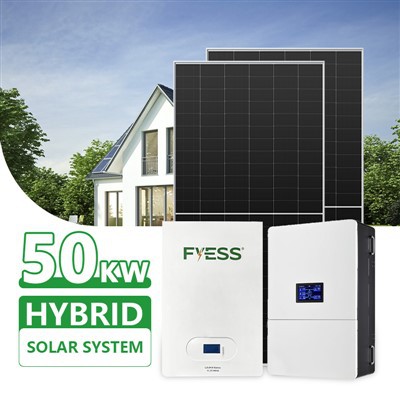
In the ever - evolving landscape of solar energy, hybrid solar inverters have emerged as a game - changer. As a supplier of hybrid solar inverters, I am often asked the question: "Can a hybrid solar inverter work without batteries?" Let's delve into this topic to provide a comprehensive answer.
Understanding Hybrid Solar Inverters
Hybrid solar inverters are a type of inverter that combines the functions of both a traditional solar inverter and a battery charger. They are designed to manage the flow of electricity between the solar panels, the battery (if present), and the electrical grid. The main purpose of a hybrid solar inverter is to maximize the use of solar energy, store excess energy in batteries for later use, and also allow for grid - connected operation.
Working Mechanism of Hybrid Solar Inverters without Batteries
Yes, a hybrid solar inverter can work without batteries. When there is no battery connected, the hybrid solar inverter functions much like a standard grid - tie inverter. It converts the direct current (DC) generated by the solar panels into alternating current (AC) that can be used to power electrical appliances in your home or business.
Powering Loads Directly
When sunlight hits the solar panels, they generate DC electricity. The hybrid solar inverter then takes this DC power and converts it into AC power. This AC power can be directly used to power the electrical loads in the building. For example, in a residential setting, it can power lights, refrigerators, and other household appliances.
Feeding Excess Power to the Grid
If the solar panels are generating more power than the building needs, the excess power can be fed back into the electrical grid. This process is known as net metering. In many regions, homeowners and businesses can earn credits on their electricity bills for the excess power they send back to the grid. The hybrid solar inverter manages this process, ensuring that the power is sent to the grid in the correct phase and voltage.
Advantages of Using a Hybrid Solar Inverter without Batteries
Cost - Effective
One of the main advantages of using a hybrid solar inverter without batteries is the cost savings. Batteries can be a significant expense in a solar energy system. By eliminating the need for batteries, you can reduce the upfront cost of the system. This makes solar energy more accessible to a wider range of consumers.

Simplicity
A system without batteries is generally simpler to install and maintain. There is no need to worry about battery maintenance, such as charging, discharging, and replacement. This reduces the overall complexity of the solar energy system and makes it easier for homeowners and businesses to manage.
Grid - Dependence Benefits
In some areas, the electrical grid is very reliable. In such cases, relying on the grid for backup power can be a more practical solution than investing in batteries. The hybrid solar inverter can ensure that you are using solar power as much as possible during the day and draw power from the grid when needed.
Limitations of Using a Hybrid Solar Inverter without Batteries
Lack of Energy Storage
The most significant limitation of using a hybrid solar inverter without batteries is the lack of energy storage. Solar power is only generated during the day when the sun is shining. Without batteries, you cannot store the excess energy generated during the day for use at night or during cloudy days. This means that if the grid goes down, you will not have access to power from your solar panels.
Dependence on the Grid
Since there is no energy storage, the system is highly dependent on the electrical grid. If there is a power outage, the solar panels will not be able to power your home or business. This can be a problem in areas with unreliable grid infrastructure.
Applications of Hybrid Solar Inverters without Batteries
Residential Use
In residential settings, a hybrid solar inverter without batteries can be a great option for homeowners who want to reduce their electricity bills. By using solar power during the day and relying on the grid at night, they can save money on their energy costs. For example, a family living in a sunny area can use the solar power generated during the day to run their household appliances, and then draw power from the grid in the evening.
Commercial Use
For small businesses, a hybrid solar inverter without batteries can also be a cost - effective solution. Many small businesses operate during the day, when solar power is available. By using a hybrid solar inverter, they can reduce their electricity bills and contribute to a more sustainable environment.
Our Hybrid Solar Inverter Offerings
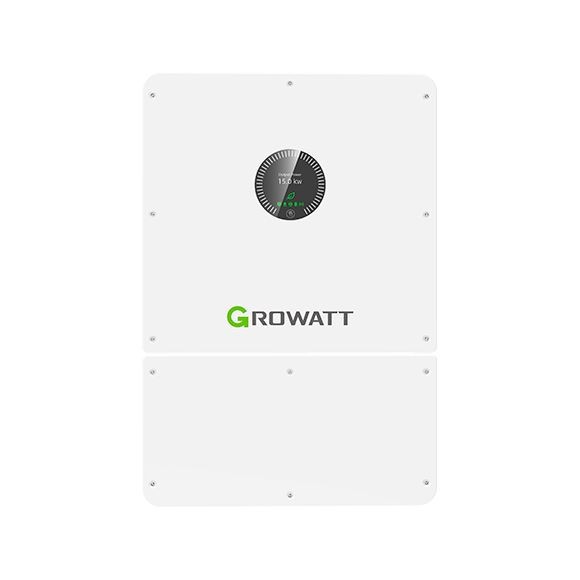
As a supplier of hybrid solar inverters, we offer a range of products to meet different needs. Our Single Phase Hybrid Solar Inverter is suitable for small - scale residential applications. It is easy to install and provides reliable performance. Our 3 Phase Hybrid Solar Inverter is designed for larger commercial and industrial applications. It can handle higher power loads and is built to last.
Conclusion
In conclusion, a hybrid solar inverter can work without batteries. It offers a cost - effective and simple solution for using solar energy, especially in areas with reliable grid infrastructure. However, it also has limitations, such as the lack of energy storage. When considering a solar energy system, it is important to weigh the advantages and disadvantages based on your specific needs and circumstances.
If you are interested in learning more about our hybrid solar inverters or would like to discuss your solar energy requirements, we invite you to contact us for a procurement discussion. Our team of experts is ready to assist you in finding the best solution for your solar energy needs.
References
- "Solar Energy Basics" - U.S. Department of Energy
- "Hybrid Solar Inverters: A Comprehensive Guide" - Renewable Energy World