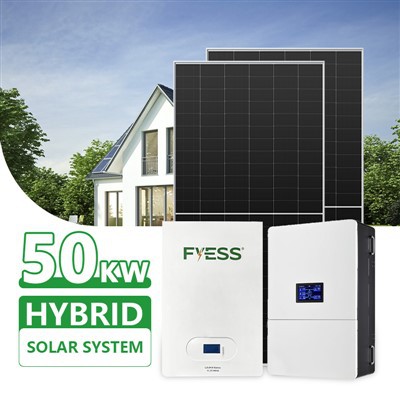
Hey there! I'm a supplier of Commercial ESS, and I'm here to chat about the installation safety precautions for these systems. Commercial Energy Storage Systems (Commercial ESS) are becoming increasingly popular as businesses look for ways to manage their energy usage more efficiently and reduce costs. But installing these systems isn't a walk in the park – there are a bunch of safety precautions you need to take.
Site Selection
First off, site selection is crucial. You gotta pick a location that's suitable for the installation of your Commercial ESS. The area should be flat and stable to prevent any movement or tilting of the system. It should also be away from any potential sources of damage, like heavy machinery or areas prone to flooding.
If you're considering an Energy Storage Container, make sure the ground can support its weight. These containers can be pretty heavy, especially when they're fully charged. You don't want it sinking into the ground or tipping over.
Also, think about the accessibility of the site. You'll need to be able to get equipment and personnel in and out easily during the installation process. And once it's up and running, you'll need to access it for maintenance and repairs.
Electrical Safety
Electrical safety is a big deal when it comes to Commercial ESS installation. These systems deal with high voltages, so you've got to be extra careful.
Before starting the installation, make sure all power sources are turned off. This includes both the main power supply and any backup power sources. You don't want to accidentally get electrocuted during the installation process.
Use proper electrical tools and equipment. Make sure they're in good condition and rated for the voltage and current of the Commercial ESS. Don't use any damaged or frayed wires – that's just asking for trouble.


When connecting the electrical components, follow the manufacturer's instructions carefully. Make sure all connections are tight and secure. Loose connections can cause arcing, which can lead to fires or other electrical hazards.
Fire Safety
Fire safety is another major concern. Commercial ESS systems contain batteries, which can be a fire risk if not properly installed and maintained.
Install fire suppression systems in the area where the Commercial ESS is being installed. This could include sprinklers, fire extinguishers, or other fire suppression devices. Make sure they're easily accessible and in good working condition.
Keep the area around the Commercial ESS clean and free of debris. Flammable materials should be kept away from the system. And make sure there's proper ventilation to prevent the buildup of flammable gases.
If you're using a Cabinet ESS, make sure it's designed with fire safety in mind. Look for cabinets that have fire-resistant materials and proper ventilation.
Structural Safety
The structure that houses the Commercial ESS needs to be safe and stable. If you're installing the system in a building, make sure the building can support the weight of the system. You may need to consult a structural engineer to ensure the building is suitable.
If you're using an outdoor structure, like a container or a cabinet, make sure it's properly anchored to the ground. This will prevent it from being knocked over by strong winds or other external forces.
Thermal Management
Commercial ESS systems generate heat during operation, so proper thermal management is essential. If the system gets too hot, it can damage the batteries and other components.
Install a thermal management system to keep the temperature of the Commercial ESS within a safe range. This could include fans, heat sinks, or other cooling devices. Make sure the thermal management system is properly sized for the system and in good working condition.
Chemical Safety
The batteries in Commercial ESS systems contain chemicals that can be hazardous if not handled properly. During the installation process, make sure you're wearing the appropriate personal protective equipment (PPE), like gloves and goggles.
Handle the batteries with care to avoid any spills or leaks. If a spill does occur, follow the proper procedures for cleaning it up. This may involve using absorbent materials and disposing of the waste properly.
Maintenance and Inspections
Once the Commercial ESS is installed, it's important to perform regular maintenance and inspections. This will help ensure the system is operating safely and efficiently.
Schedule regular inspections of the electrical components, fire suppression systems, and thermal management systems. Look for any signs of damage or wear and tear, and make any necessary repairs or replacements.
Keep a maintenance log to track all maintenance and inspections. This will help you stay on top of the system's maintenance schedule and ensure that all safety precautions are being followed.
Training and Certification
Anyone involved in the installation of a Commercial ESS should be properly trained and certified. This includes electricians, technicians, and other personnel.
Make sure your installation team has the necessary training and certifications to work with high-voltage electrical systems. They should also be familiar with the specific safety precautions and procedures for the Commercial ESS you're installing.
Conclusion
Installing a Commercial ESS is a big job, but by following these safety precautions, you can ensure a safe and successful installation. Remember, safety should always be your top priority.
If you're interested in purchasing a Commercial ESS, don't hesitate to reach out. We're here to help you every step of the way, from site selection to installation and maintenance. Let's work together to make your energy storage solution a success!
References
- Industry standards and guidelines for Commercial ESS installation
- Manufacturer's installation and maintenance manuals for Commercial ESS systems
- Local electrical and building codes related to energy storage systems