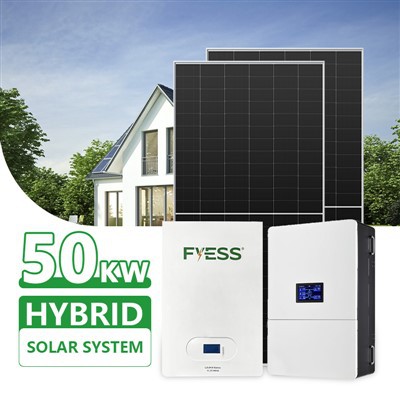
Hey there, everyone! As a supplier of lithium battery cells, I often get asked about how to store these little powerhouses properly. Lithium battery cells are everywhere these days, from our smartphones to electric cars and even energy storage systems. So, getting the storage right is super important. In this blog, I'll share some tips and best practices on storing lithium battery cells based on my experience in the industry.
Why Proper Storage Matters
First off, you might be wondering why it's such a big deal to store lithium battery cells correctly. Well, improper storage can lead to a whole host of problems. For starters, it can reduce the battery's lifespan. Lithium batteries are sensitive to factors like temperature, humidity, and charge level. If they're not stored in the right conditions, the chemical reactions inside the battery can speed up or slow down in ways that aren't good for its long - term health.
Another issue is safety. Lithium battery cells have the potential to be dangerous if they're damaged or stored incorrectly. They can overheat, catch fire, or even explode in extreme cases. That's why following the right storage guidelines is crucial, whether you're a consumer or a business dealing with lithium battery cells.
Ideal Storage Conditions
Temperature
Temperature is one of the most critical factors when it comes to storing lithium battery cells. Generally, the ideal temperature range for long - term storage is between 20°C and 25°C (68°F - 77°F). At these temperatures, the chemical reactions inside the battery slow down to a level that helps preserve its capacity and performance over time.
If the temperature gets too high, say above 45°C (113°F), the battery can degrade much faster. The heat can cause the electrolyte inside the battery to break down, which leads to a loss of capacity and can even damage the battery's internal structure. On the other hand, extremely low temperatures, below - 20°C (- 4°F), can also be a problem. Cold temperatures can increase the internal resistance of the battery, making it harder for the battery to deliver power efficiently.
Humidity
Humidity is another important consideration. You want to store lithium battery cells in a dry environment. High humidity can cause corrosion on the battery's terminals, which can affect its performance and safety. A relative humidity of around 40% - 60% is ideal. If you're storing the batteries in a place with high humidity, you might consider using a dehumidifier to keep the moisture levels in check.
Charge Level
The charge level at which you store lithium battery cells also matters. For long - term storage, it's best to store them at a partial charge, around 40% - 60% of their capacity. This helps to reduce the stress on the battery's internal components. If you store a fully charged battery for a long time, it can cause the battery to age faster. Similarly, storing a completely discharged battery can also be harmful as it can lead to a phenomenon called "deep discharge," which can damage the battery irreversibly.
Storage Containers and Packaging
When it comes to storing lithium battery cells, the right container or packaging can make a big difference. You should use containers that are made of non - conductive materials. Plastic containers or specially designed battery storage cases are great options. These materials help to prevent short - circuits, which can be a major safety hazard.
Make sure the containers are clean and dry before you put the batteries in them. You should also separate the battery cells from each other to prevent them from touching and potentially short - circuiting. If you're storing a large number of battery cells, you might consider using dividers in the container to keep them organized and separated.
Storing Different Types of Lithium Battery Cells
Commercial Energy Storage Battery Cells
Commercial Energy Storage Battery Cells are often used in large - scale energy storage systems for businesses and industries. These batteries are typically larger and have a higher capacity than consumer - grade batteries. When storing commercial energy storage battery cells, you need to pay extra attention to the storage space. You'll need a large, well - ventilated area to store them, as they can generate heat during charging and discharging cycles.
It's also important to have a monitoring system in place to keep track of the temperature, humidity, and charge level of the batteries. This helps to ensure that the storage conditions are always within the ideal range.
Household Energy Storage Battery Cells
Household Energy Storage Battery Cells are becoming more popular as more people are looking for ways to store energy from renewable sources like solar panels. These batteries are usually smaller and more compact. You can store them in a basement or a garage, as long as the temperature and humidity are within the recommended range.


Just like with commercial batteries, you should store household energy storage battery cells in a non - conductive container and separate them from each other. You can also use a simple battery management system to monitor the charge level and ensure that the battery is being stored correctly.
Regular Inspections
Even if you've stored your lithium battery cells in the perfect conditions, it's still a good idea to do regular inspections. Check the batteries for any signs of damage, such as swelling, leakage, or corrosion. If you notice any of these issues, you should handle the batteries carefully and dispose of them properly.
You should also check the charge level of the batteries every few months. If the charge level has dropped significantly, you can give the batteries a little charge to keep them at the optimal storage level.
Conclusion
Storing lithium battery cells properly is essential for maintaining their performance, lifespan, and safety. By following the tips I've shared in this blog, such as keeping the right temperature, humidity, and charge level, using the right containers, and doing regular inspections, you can ensure that your lithium battery cells will last longer and work better.
If you're in the market for high - quality lithium battery cells, whether it's for commercial or household energy storage, I'd love to help. Feel free to reach out for a detailed discussion and find out how we can meet your specific needs. Let's work together to power the future!
References
- Battery University: Fundamental knowledge about lithium battery storage and performance.
- National Fire Protection Association (NFPA) guidelines on battery storage safety.
- Industry research papers on lithium battery degradation mechanisms.