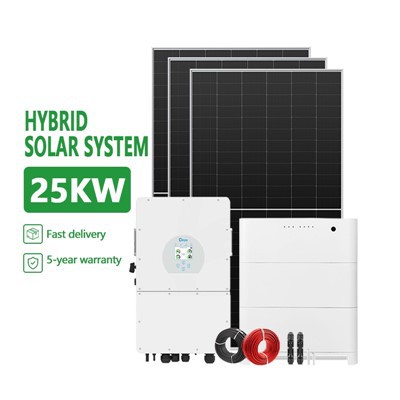
If you’ve driven past a new industrial park or commercial building in the last few years, you might have noticed a tall, weatherproof metal container tucked behind the parking lot or near the main facility. That’s not shipping waste—it’s an energy storage container, and it’s quietly reshaping how businesses power their operations. As someone who’s spent the last decade in the energy storage industry, working directly with businesses to solve their power reliability, cost, and sustainability challenges, I’ve seen firsthand how these units go far beyond just holding batteries. They’re a flexible, scalable, and often overlooked tool that addresses some of the most persistent pain points for organizations ranging from small retail chains to large manufacturing plants. Let’s break down the key advantages that make energy storage containers a smart investment for any business ready to upgrade their energy strategy.
First, and most critically for many commercial and industrial operators, is grid reliability. Anyone who’s experienced an unplanned power outage knows the cost: a single hour of downtime at a manufacturing plant can mean thousands of dollars in lost production, spoiled inventory, and missed delivery deadlines. For a grocery chain, an outage in a cold storage facility can ruin perishable goods worth tens of thousands of dollars, while a data center outage can disrupt customer services for hours, leading to reputational damage and compliance fines. Energy storage containers act as a fail-safe backup, but not just a basic generator that requires constant refueling and emits harmful fumes. These units draw power from the grid during peak, reliable times, store it, and seamlessly switch to powering your facility within milliseconds if the grid fails. Unlike traditional diesel generators, they operate quietly, produce zero on-site emissions, and require far less maintenance. For businesses focused on meeting ESG (environmental, social, and governance) goals, this is a huge win—back-up power that doesn’t negate your carbon reduction efforts.
Of course, reliability isn’t just about outages; it’s about managing how you use grid power when it is available. Utility companies charge different rates for electricity depending on the time of day, a practice called time-of-use (TOU) pricing. Rates are highest during peak demand hours—usually midday through early evening, when millions of businesses and households are running appliances, lighting, and equipment. This is when your local grid is strained, and utilities pass those higher costs on to commercial and industrial customers. Energy storage containers solve this by allowing you to “peak shave” or “time shift” your energy use. You charge the container during off-peak hours, when rates are lowest, and then use that stored power during peak times to avoid expensive grid purchases. Some utilities even offer demand response programs, where they pay businesses to reduce their power draw during critical grid peaks. An energy storage container can automatically discharge during these events, letting you earn extra revenue while keeping your operations running smoothly. This isn’t a hypothetical benefit; a 2023 study from the National Renewable Energy Laboratory (NREL) found that commercial energy storage users reduced their annual electricity bills by an average of 20% using this peak-shaving strategy, with some large manufacturers saving upwards of $100,000 per year.
Scalability is another game-changing advantage, especially for businesses that are growing or have uncertain energy needs. Unlike a fixed, one-size-fits-all power system, energy storage containers can be deployed in increments. Need more power next year? Just add another container. This flexibility is perfect for businesses that are expanding their facilities, adding new production lines, or integrating more renewable energy like solar panels. For example, a warehouse that installs rooftop solar can connect it directly to an energy storage container. The container will store excess solar energy that would otherwise be sent back to the grid (often for very low rates) and use it to power the warehouse during cloudy days or after sunset. For businesses that don’t have rooftop space, energy storage containers can also work with grid power to maximize renewable integration. If you’re looking for specific solutions for large-scale industrial applications, our Industrial ESS line is designed to handle high-power, long-duration needs, while our Commercial Solar Battery Storage Systems are optimized for smaller to mid-sized businesses looking to pair with on-site solar.
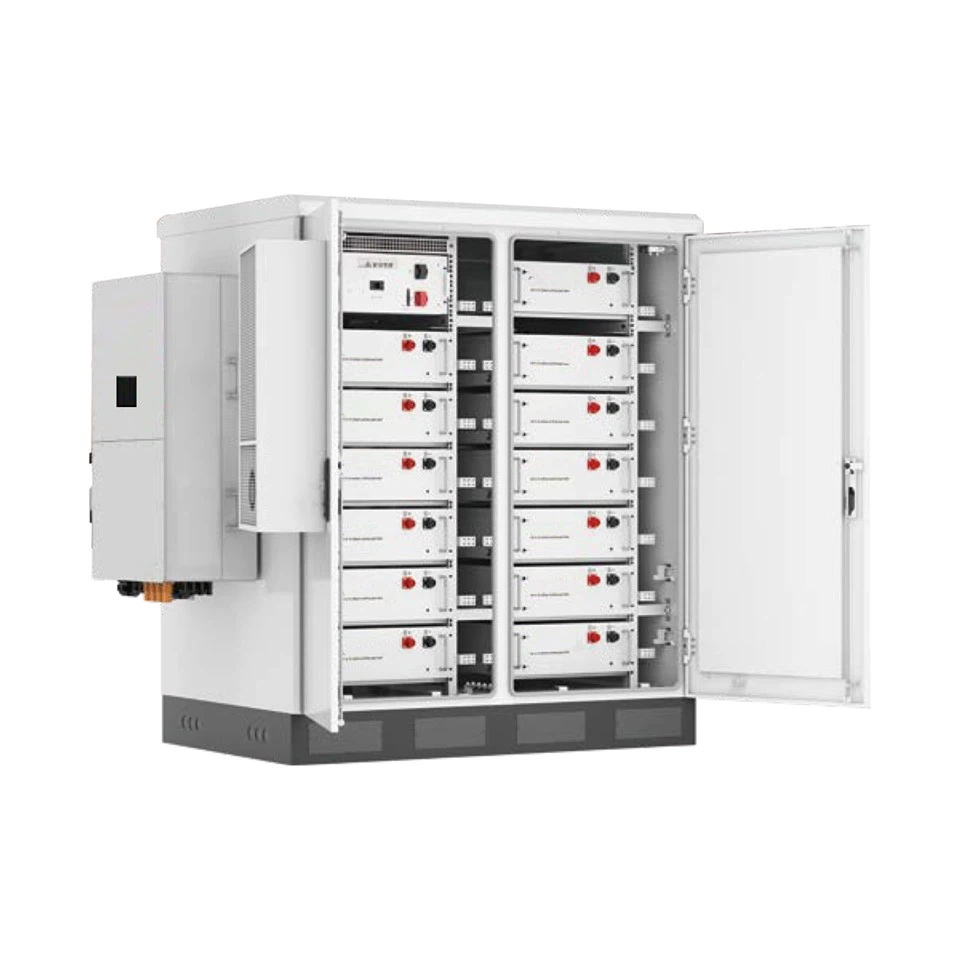
One of the most underrated benefits of energy storage containers is their adaptability to different physical spaces and operational needs. They’re built to be transported easily—many are shipped as standard intermodal containers, so they can be placed almost anywhere you have access to power or grid connection. That means you don’t need to do major construction to install one, which saves on upfront costs and installation time. For example, a construction company working on a remote site can use a temporary energy storage container to power tools, lighting, and portable offices, eliminating the need for noisy, polluting diesel generators that require constant delivery of fuel. For permanent installations, these containers are weather-sealed, dust-resistant, and built to operate in extreme temperatures—from freezing northern winters to hot southern summers—so they require very little on-site customization. We also offer compact cabinet-based units for businesses with even tighter space constraints, so there’s an energy storage solution for nearly every size and layout.
Sustainability is no longer a “nice-to-have” for businesses—it’s a requirement for customers, investors, and regulators. More and more companies are setting net-zero goals, and energy storage containers are a key part of achieving that. By reducing reliance on fossil fuel-based grid power (which often comes from coal or natural gas plants) and integrating more renewable energy, these units cut your organization’s carbon footprint. Unlike diesel generators, which run on non-renewable fuels and emit greenhouse gases and air pollutants like nitrogen oxides and particulate matter, energy storage containers produce zero on-site emissions. A 2022 report from the EPA found that replacing a single diesel generator with an energy storage container for back-up power reduces annual greenhouse gas emissions by over 50 tons for a typical mid-sized business. For businesses that are subject to emissions regulations or need to report their ESG performance to stakeholders, this is a tangible way to make progress on those goals. Plus, many customers now prioritize working with sustainable suppliers, so reducing your carbon footprint can also be a competitive advantage, helping you win new contracts and retain loyal clients.
Cost stability is another major benefit that’s often overlooked in discussions of energy storage. Grid electricity costs have been rising steadily for decades, and the International Energy Agency (IEA) projects that global commercial electricity prices will continue to increase as grid infrastructure is upgraded and renewable energy integration becomes more widespread. Energy storage containers lock in lower energy prices by allowing you to buy power when rates are low, insulating you from future price hikes. This predictability is especially valuable for businesses with long-term budgets, like manufacturers, nonprofits, and retail chains that need to plan for years ahead. Unlike other energy investments that require significant upfront costs and long payback periods, energy storage containers have become more affordable in recent years, with payback periods now averaging between 5 and 8 years for most commercial customers, according to data from the Energy Storage Association. For example, our 112K314 Energy Storage BESS unit is designed for high-efficiency, cost-effective energy shifting and backup, making it a popular choice for businesses looking for a quick return on their investment.

Now, you might be wondering: are there any trade-offs? Like any technology, energy storage containers have upfront costs, but the combination of lower electricity bills, revenue from demand response, reduced downtime costs, and sustainability benefits often far outweighs that initial investment. The key is working with a supplier who can help you assess your specific needs—whether you need backup power, peak shaving, renewable integration, or a combination of these—to find the right solution for your business. I’ve worked with dozens of companies over the years, from a small grocery chain in Ohio that wanted to protect its cold storage, to a large automotive manufacturer in Texas that needed to power a new production line during peak hours. Every business has different needs, and the best energy storage solution is tailored to those needs, not a one-size-fits-all package.
If you’re ready to take control of your energy costs, reliability, and sustainability, an energy storage container is a solution worth exploring. Whether you’re a small business looking to avoid costly outages, a growing company needing scalable power, or an industrial operation focused on cutting emissions, there’s an energy storage system that fits your needs. To learn more about how an energy storage container can benefit your specific operations, and to discuss pricing, installation, and customization, reach out to our team to start a procurement conversation. We’ll work with you to assess your energy usage, identify opportunities for savings, and provide a solution that meets your goals.
References
National Renewable Energy Laboratory (2023). Commercial Energy Storage: Cost, Performance, and Market Trends. U.S. Department of Energy.
International Energy Agency (2022). Global Electricity Market Report. IEA.
U.S. Environmental Protection Agency (2022). Emissions Reduction Benefits of Energy Storage Systems. EPA.
Energy Storage Association (2023). U.S. Energy Storage Market Outlook. ESA.