If you’ve spent any time looking into going solar, you’ve probably heard the term “grid stability” thrown around—especially if you’re working with an on-grid solar system. As someone who’s been in the solar industry for 8 years, I’ve seen firsthand how a grid’s stability can make or break a homeowner’s solar setup. Not long ago, we installed a 10kW system for a family in Ohio, and a few months later, a sudden grid voltage fluctuation fried their inverter. The problem? The local utility’s grid had a dip in voltage, and their system didn’t have the right protections to handle it. That incident got me thinking: most people focus on solar panels and cost per watt, but grid stability is the unsung hero of a reliable on-grid solar setup. Let’s break down why it matters, how it interacts with your system, and what you can do to keep everything running smoothly.
First, let’s get the basics straight: what’s grid stability, exactly? In simple terms, it’s the ability of the electric grid to maintain consistent voltage and frequency at all times. Think of it like a Wi-Fi router—if it’s stable, your devices connect without dropping; if it’s shaky, your stream buffers, and your router might even reset. For power grids, that means voltage (measured in volts, like 120/240V in most U.S. homes) doesn’t spike or dip, and frequency (60Hz in North America, 50Hz in Europe) stays steady. Grid instability can come from all sorts of things: heavy demand (like everyone running AC on a hot day), equipment failures at power plants, or even big changes in renewable energy output (like cloud cover wiping out a wind farm’s power).
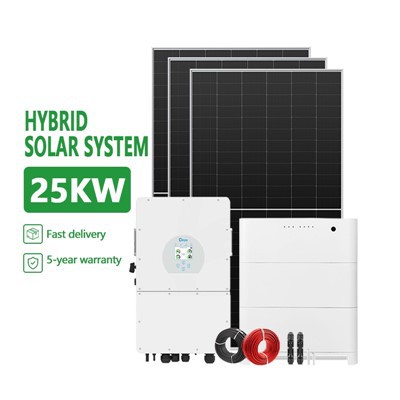
Now, how does this tie to your on-grid solar system? An on-grid system—sometimes called a grid-tied system—connects directly to the utility’s grid, so it relies on that grid to work. When your panels produce more power than your home uses, the excess gets sent back to the grid (that’s net metering, where you get credits on your bill). When your panels don’t produce enough (like at night), you pull power from the grid. But here’s the catch: your inverter (the heart of your on-grid setup, which turns DC power from panels into AC power your home can use, and syncs with the grid) has to match the grid’s voltage and frequency perfectly. If the grid is unstable, that sync breaks—and that’s where problems start.
Let’s talk about the direct impacts first, starting with equipment damage. That Ohio family I mentioned? Their inverter died because a grid voltage spike (caused by a nearby substation fault) hit their unit at the wrong time. Inverters are designed to shut off automatically during extreme grid fluctuations to protect themselves, but in some cases, a surge can still fry internal components. Even more common, frequent small voltage dips can shorten the lifespan of your inverter. A high-quality inverter can handle minor fluctuations, but if the grid is consistently unstable, you might end up replacing your inverter 5–10 years earlier than expected. That’s a big cost—most mid-tier inverters cost $1,000–$2,000 to replace, so that’s money no one wants to waste.
Next, there’s performance loss. If the grid’s frequency is off, your inverter might not work at full capacity. For example, if the grid drops to 59.5Hz (instead of the required 60Hz), your inverter might limit its output to stay synced—so you’re not getting the full power your panels are capable of. A study from the Department of Energy found that in areas with chronic grid instability, on-grid systems can see 5–10% less annual energy production. Over 25 years, that adds up to thousands of dollars in lost savings on your electric bill. Let’s do the math: if you have a 6kW system that produces 9,000 kWh a year (average for a sunny home), 5% loss is 450 kWh a year. At $0.15 per kWh, that’s $67.50 a year, or $1,687.50 over 25 years. Not chump change.


Then there’s grid downtime. Wait—if your grid is unstable, might your solar system stop working even when the sun is shining? Absolutely. Most on-grid systems are required by utilities to shut off during grid outages. This is a safety thing: utility workers need to know the grid is “dead” before they fix lines, so if your solar system is still sending power to the grid, it could accidentally electrocute them. But if the grid is unstable (even if there’s no full outage), your inverter might trigger a safety shutdown. For a homeowner who relies on solar to cut costs, a week-long shutdown during peak sun season means missing out on free power—plus, if you have backup needs, you’re out of luck unless you have a battery storage system (which adds another layer of cost and complexity).
Now, let’s talk about something a lot of people don’t consider: compliance. Utilities have strict rules for on-grid solar systems, and grid stability is part of those rules. If your system doesn’t meet the utility’s requirements for handling grid fluctuations, they can deny your interconnection (that’s the permission to connect to the grid) or even shut off your power down the line. For example, some utilities require inverters to have “grid support” features—like voltage regulation or frequency ride-through capabilities. If your system doesn’t have these, you might not be able to get the net metering credits you counted on, or you could face fines.
So, how do you make sure your on-grid solar system can handle whatever the grid throws at it? First, work with a reputable supplier (that’s us, obviously) that knows your local grid’s quirks. Different utilities have different stability levels—urban areas might have more stable grids, while rural areas or places with a lot of distributed solar might have more fluctuations. When we design a system for a client, we always do a quick grid audit to check for common issues in their area. Second, choose an inverter with robust grid protection features. Look for inverters that have low-voltage ride-through (LVRT) and high-voltage ride-through (HVRT) capabilities—these let your system stay connected during minor grid blips, instead of shutting off unnecessarily. Third, if you live in an area with chronic instability, consider adding a small battery storage system (even a 5kWh unit) to act as a buffer. Batteries can store excess solar power when the grid is stable and use it when the grid is down or unstable, so you get more consistent performance.
Let me share another example: a client in Arizona, where the grid has issues with frequency swings during peak summer demand. We installed a grid-tie system with a top-tier inverter that has advanced frequency ride-through. Last summer, when the local utility had a 2-hour frequency dip, their system didn’t shut off—so they kept producing power, sent excess back to the grid, and didn’t lose any savings. If we’d used a budget inverter without that feature, they would’ve lost that entire day’s production. That’s the difference between a good solar setup and one that works for you, not against you.
Wait, let’s clarify some terms to avoid confusion. An on-grid solar system is different from a grid-tied system, but they’re often used interchangeably—both connect to the utility grid and don’t have battery storage (unless you add it). A grid tie solar system relies entirely on the grid for backup, while an on grid solar power system might have the option for battery storage, but it’s not required. No matter the setup, grid stability is non-negotiable. That’s why when you’re researching solar, you’ll see references to Solar Energy System On Grid that include grid stability in their design specs—we make sure all our systems do that.
I know a lot of homeowners focus on upfront cost, and it’s easy to overlook grid stability features. But cutting corners here can end up costing you more in the long run. A $200 cheaper inverter might save you money now, but if it dies in 5 years or causes performance loss, you’ll spend more than the difference. We always explain this to our clients: think of grid stability as the foundation of your solar system. If the foundation is shaky, the whole house (or system) will have problems.
So, what can you do right now? If you already have an on grid solar panel system, check your inverter’s settings to make sure it’s enabled for grid support features. If you’re planning to install a new system, ask your supplier about how they account for local grid stability. And if you’re not sure, don’t hesitate to reach out—we’re here to walk you through it.
At the end of the day, grid stability isn’t just a technical detail—it’s what makes your on-grid solar system work as it should. It affects your equipment’s lifespan, your energy savings, and even your ability to connect to the grid. As the demand for renewable energy grows, grids are adapting, but there will always be fluctuations. That’s why choosing a system that’s built to handle those fluctuations is one of the smartest investments you can make in solar.
If you’re ready to explore how grid stability can impact your specific setup, or you want to chat about designing an on-grid system that’s resilient, feel free to get in touch with our team. We’ll break down the details, answer all your questions, and make sure you’re making the right choice for your home and budget.
References:
- U.S. Department of Energy. (2022). Grid Stability and Renewable Energy Integration. Office of Energy Efficiency and Renewable Energy.
- Solar Energy Industries Association (SEIA). (2023). On-Grid Solar System Design and Grid Interconnection Guidelines.
- International Electrotechnical Commission (IEC). (2021). IEC 61727: Photovoltaic Systems – Characteristics of the Utility Interface.