If you’ve ever camped off-grid, powered a mobile food truck, or set up a temporary work site with solar, you’ve probably wondered: Can a solar inverter work as hard for a mobile power system as it does for a fixed rooftop setup? As a solar inverter supplier who’s spent years troubleshooting both stationary and portable projects, I’m here to break this down—no jargon, just real-world answers.
First, let’s get clear on what a mobile solar power system actually is. It’s not just a panel and a battery tucked in a van. Mobile systems run the gamut: tiny 100W setups for a weekend camper van, 5kW systems for a mobile medical clinic in rural areas, or even 20kW+ setups for construction sites that need to power tools and lights on the move. The core of any solar setup, whether fixed or mobile, is the inverter—it takes the direct current (DC) generated by solar panels and stored in batteries and turns it into alternating current (AC) that runs your fridge, power tools, or a home’s appliances. But mobile systems have unique constraints: they need to be compact, vibration-resistant, light enough to mount on a trailer or vehicle, and flexible enough to switch between grid-tied and off-grid power depending on location. That’s where the right inverter comes in.
The short answer is yes, solar inverters absolutely can be used in mobile systems—but not all inverters are built for the job. I see this mistake all the time: a customer buys a cheap, off-the-shelf inverter meant for a fixed rooftop, tries to bolt it to a camper van, and ends up with it shorting out on a bumpy dirt road or failing to handle variable loads (like when you turn on a microwave and a power drill at the same time). Mobile systems need inverters designed for dynamic environments, not static roof mounts.
Let’s break down the types of inverters that work best for mobile setups, with real examples from the equipment we supply, and when to pick each.
First, off-grid inverters are the workhorses for most mobile solar systems. If your setup never connects to the utility grid—think a remote campsite, a fishing boat, or a mobile workshop in a area with no grid access—an off-grid inverter is non-negotiable. These inverters are built to handle variable battery inputs (since mobile systems might run off smaller, lighter battery banks than fixed setups) and fluctuating loads, which is critical when you’re powering a mix of high and low-power devices on the go. For small mobile projects, like a camper van or a small food cart, a 2kW single-phase off-grid inverter with a rated battery voltage of 12VDC is a perfect fit. It’s compact, lightweight, and matched to the smaller battery banks common in vehicles—12V batteries are easy to mount in tight spaces under van seats or in cart storage compartments. I’ve seen these inverters hold up through cross-country road trips, bumpy backroads, and extreme temperatures, all while powering everything from a mini-fridge to a portable air conditioner. If you’re powering more heavy-duty mobile gear, like construction tools or a mobile event booth, you might step up to a larger off-grid model, but the core rule holds: off-grid inverters are built for the disconnectable, portable nature of mobile power.
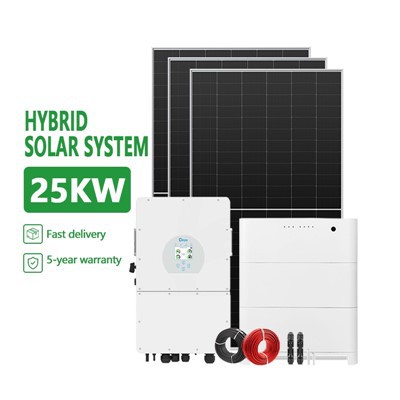
Next, hybrid inverters are a popular middle ground now, as many mobile systems need the flexibility to switch between off-grid and grid-tied power. A hybrid inverter does the work of a standard off-grid inverter and a grid-tied inverter in one unit, making it ideal for setups that move between remote areas and grid-connected locations. For example, a mobile coffee cart might run off its own batteries and solar panels at a farmers’ market (off-grid) and plug into the local grid at night to charge its battery bank. Or a mobile disaster relief unit might use solar during the day and connect to grid power when available to power medical devices. For these use cases, a 3 phase hybrid solar inverter is a great option for larger mobile systems, like a trailer-mounted power unit with multiple panels and high-capacity batteries. It can switch seamlessly between powering your loads from solar, batteries, or the grid, and it’s designed to handle the consistent power demands of heavy use on the road. For even larger mobile setups, like a 20kW three-phase hybrid inverter, it can power construction equipment, lighting, and even temporary office electronics, all while being compact enough to mount on a flatbed trailer without adding too much extra weight.


Now, what about on-grid inverters? Can you use a on grid single phase solar inverter in a mobile system? The short answer is: only if you’re in a very specific, grid-connected mobile setup, and you proceed with extreme caution. On-grid inverters are designed to connect directly to the utility grid, sending excess power back to the grid and pulling power from the grid when solar isn’t enough. But mobile systems rarely stay in one place long enough to meet the strict grid interconnection rules—each utility has different requirements for inverter certification, voltage regulation, and safety switches that on-grid inverters need to meet. For example, if you’re driving your camper van across state lines, the grid rules change, and most on-grid inverters won’t work safely if they’re not certified for every local utility. Plus, if you’re off-grid, an on-grid inverter is useless because there’s no grid to connect to. I’ve had a few customers try to use an on-grid inverter for a mobile boat setup, and most ended up having to replace it because it couldn’t handle the boat’s vibration, or it failed when they disconnected from shore power. That’s not to say on-grid inverters have no place in mobile power—if you’re running a mobile setup that’s permanently connected to the grid (like a tiny mobile home that stays parked in a residential lot), an on-grid inverter works, but for most truly mobile systems, on-grid inverters aren’t the right fit.
Now, let’s talk about the unique challenges of mobile solar systems that make inverter choice even more important. Fixed rooftop inverters don’t have to deal with constant vibration from a moving vehicle or trailer, extreme temperature swings in a cargo hold or van, or space constraints. A good mobile inverter needs to be rated for shock and vibration per ISO standards, which we build into all of our inverter models for mobile use. I’ve seen customers try to use a standard rooftop inverter in a mobile setup, and it doesn’t take long: a 100-mile drive on a dirt road can loosen internal components, leading to failure. Also, weight matters for mobile systems—every extra pound reduces fuel efficiency, so inverters need to be compact and lightweight without sacrificing power. The smaller 2kW 12VDC off-grid inverter I mentioned earlier is only around 20 pounds, which is easy to mount in a van, while the larger hybrid models are still designed to be lighter than equivalent fixed inverters, so you don’t have to add heavy support to your trailer.
Another key factor is load management, which is often overlooked in mobile setups. When you’re powering a mix of devices—say, a laptop, a microwave, and a power drill—your inverter has to handle inrush current, which is the extra power needed to start devices like refrigerators or motors. Inverters designed for mobile systems have built-in surge protection and can handle 2-3 times their rated power for short periods, which is perfect for those peak demand moments. Fixed inverters might not have that capability, which is why they often fail when used in mobile setups.
Let’s use a couple of real customer stories to make this concrete. Last year, a customer reached out to us who runs a mobile veterinary clinic that travels to rural areas to provide care for livestock. They had installed a fixed rooftop inverter in their 30-foot trailer, and after six months of driving on rough backroads, it stopped working. It couldn’t handle the constant vibration, and it didn’t have the surge protection to power their X-ray machine and water pump at the same time. We helped them switch to a 3 phase hybrid solar inverter, which is designed to mount securely in the trailer, has vibration-resistant internal parts, and can handle the high inrush current from their medical equipment. Now, their setup works seamlessly both when they’re off-grid in remote areas and when they park near a small town’s grid to charge their batteries.
Another customer is a van lifer who installed a small 2kW single-phase off-grid inverter from our catalog in her cargo van. She uses it to power her fridge, laptop, and portable solar panels for weekend trips and cross-country travels. She told us she’s put it through 12,000 miles of highways and backroads, and it’s never had a single issue—something that would have been impossible with a standard fixed inverter.
Now, what are the common mistakes to avoid when using solar inverters in mobile systems? First, don’t pick an inverter based solely on price. A cheap inverter might be lighter or smaller, but it won’t have the vibration resistance or surge protection needed for mobile use. Second, match your inverter to your battery bank and panel setup. A 12VDC inverter won’t work with a 48VDC battery bank, for example, so make sure you’re picking a model that’s compatible. Third, if you’re using a hybrid inverter, make sure it’s certified for grid interconnection rules in the areas you’ll be operating—grid regulations vary by state and country, so an inverter that works in Texas might not be allowed in California.
One question I get a lot: Can I use a microinverter (the small inverters that mount on each panel, common in fixed rooftop setups) in a mobile system? Microinverters are great for fixed systems because they optimize each panel’s performance, but for mobile use, they’re usually not the right choice. They’re small and lightweight, which sounds like a win, but they’re even less vibration-resistant than central inverters, and connecting multiple microinverters in a moving vehicle creates more points of failure. I’ve had a few customers try microinverters for their camper vans, and most replaced them within a year because they’d stop working after a few months of rough driving.
So, to circle back to the original question: Can a solar inverter be used in a mobile solar power system? Absolutely—when you choose an inverter designed for the unique demands of mobile use. Off-grid inverters are perfect for remote, disconnectable setups, while hybrid inverters add flexibility for systems that switch between off-grid and grid-tied power. On-grid inverters only make sense for permanently parked, grid-connected mobile setups, and even then, you need to check local regulations.
At the end of the day, a mobile solar system is only as reliable as its inverter. It has to keep working when you’re miles from the nearest repair shop, when the roads are bumpy, and when you need to power essential equipment for work, recreation, or emergency response. That’s why we design our inverters with those exact use cases in mind—shock resistance, compact sizes, and built-in load management that stands up to the road.
If you’re building a mobile solar power system, whether it’s a small camper van, a food cart, a construction trailer, or a mobile medical unit, and you’re not sure which inverter is right for your needs, we’re here to help. Our team has years of experience working with mobile power projects, and we can walk you through the options, from small off-grid models to large hybrid setups, to find the perfect fit for your system.
For more details on our mobile-ready inverters, you can explore our offerings: 3 Phase Hybrid Solar Inverter, On Grid Single Phase Solar Inverter, 2kW Single-phase Off-grid Inverter With A Rated Battery Voltage Of 12VDC, High-voltage Three-Phase Hybrid Solar Storage Inverter, and 20kW Three-phase Hybrid Inverter.
References
- International Electrotechnical Commission (IEC). "Standard for Shock and Vibration Testing for Equipment in Mobile Applications." IEC 60068-2-6, 2021.
- Solar Energy Industries Association (SEIA). "Mobile Solar System Design Guidelines." SEIA, 2022.
- U.S. Department of Energy (DOE). "Inverter Requirements for Off-Grid and Hybrid Solar Systems." DOE Office of Energy Efficiency & Renewable Energy, 2023.
- National Electrical Code (NEC). "Article 705: Interconnected Distributed Resources." National Fire Protection Association, 2020.