If you’re a commercial building operator, facilities manager, or small business owner, you’ve probably realized how game-changing commercial energy storage systems (ESS) are right now. They cut utility bills, smooth out peak demand charges, and give you a safety net during grid outages—no wonder more and more businesses are jumping in. But here’s the thing: a Commercial ESS isn’t a “set it and forget it” piece of equipment. I’ve been selling and supporting commercial energy storage solutions for years, and I can’t tell you how many times new clients come in thinking they just install the box and that’s it. Skip the right maintenance, and you’re looking at reduced efficiency, shorter system lifespan, or even unexpected downtime that’ll cost you way more than a few regular checkups.
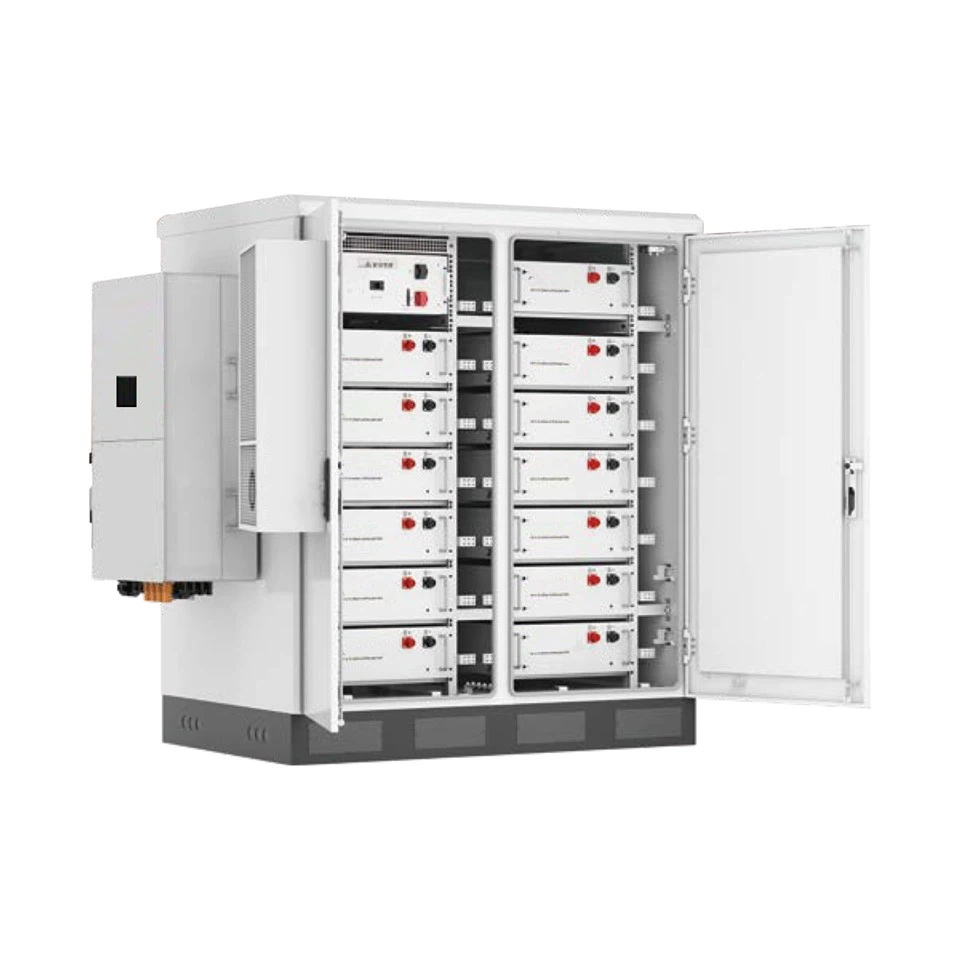
Let’s break down exactly what your Commercial ESS needs to stay running strong. First, it helps to know a bit about what your system is made of, because maintenance ties directly to each component. Most commercial ESS these days are lithium-ion based (the reliable, long-lasting kind for businesses) and come in everything from compact cabinet setups to larger energy storage containers. If you’re just starting to research, we’ve got a page on our site that walks through all the basics, from small office setups to retail and manufacturing units—check out our [Commercial ESS] hub to get the full lay of the land.
Routine Daily/Weekly Checks: The Low-Lift Stuff That Makes a Big Difference
You don’t need an engineering degree to do the quick, regular checks that catch small issues before they turn into big problems. A lot of this can be automated with your ESS’s monitoring software, but it’s good to do a physical walkaround once a week too.
First, keep an eye on state of charge (SoC) and state of health (SoH). SoC is just how much energy your batteries have stored, and SoH is a measure of how well they hold charge over time. Most modern systems flag if these numbers are out of whack—like if a battery string is running 10% lower than the others. If you see that, it might be a loose connection, a dirty terminal, or a dying cell. We recommend logging these numbers each week, especially during peak usage seasons (summer AC runs, winter heating, holiday retail rushes).
Next, temperature checks are non-negotiable. Lithium-ion batteries hate extreme heat and cold, and your ESS is designed to regulate its own temperature—but that system can get clogged if you don’t do a little cleaning. If your system is in an energy storage container or a utility closet, make sure there’s at least 12 inches of space around all sides for airflow. Dust, leaves, or even storage boxes blocking vents will make the cooling or heating system work overtime, which wears it out faster. We actually build our energy storage containers with extra venting, but even they need a quick visual check to make sure nothing’s blocking the grilles—learn more about those containers on our [Energy Storage Container] page.
Finally, listen and smell for red flags. Your ESS is quiet when it’s working right, so if you hear unusual humming, buzzing, or clicking that wasn’t there before, that’s a sign something’s off. Same with smells: a faint chemical odor (not the normal factory-new scent when you first install) could be a overheating battery cell. Don’t wait to flag that for your service team—those small sounds and smells are the earliest warning signs.
Monthly Deep Dives: Going Beyond the Walkaround
Once a month, you’ll want to dig a little deeper than the quick walkthrough. This is where most businesses can either do it themselves with basic tools or bring in a technician, depending on how comfortable you are with electrical gear.
First, inspect terminals and connections. Battery banks have lots of metal terminals that carry high voltage, and even a tiny bit of corrosion can cause a power drop or safety hazard. Grab a wire brush, some isopropyl alcohol, and a torque wrench to tighten any loose nuts or bolts (just make sure the system’s disconnected from power before you touch anything—safety first!). We’ve seen clients skip this step and end up with a whole battery string going bad because a single terminal corroded. If you’re not sure how to torque connections correctly, our [112K314 Energy Storage BESS] guide has a simple breakdown for our smaller commercial cabinet systems—same logic applies to most mid-sized setups.
Next, clean the system’s filters and cooling fans. Again, airflow is everything for battery health. Most commercial ESS have air filters that catch dust and lint, and if those get clogged, the cooling system can’t do its job. Swap out disposable filters every 3 months, but just vacuum or wipe down reusable ones during your monthly check. Test the fans too—turn the system’s cooling to manual mode for a minute to make sure both intake and exhaust fans are spinning evenly. If one’s slow or not turning on, that’s a quick fix before it causes overheating.

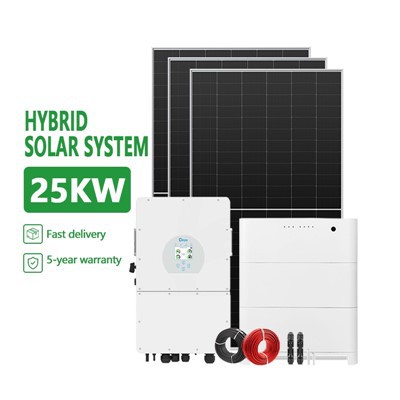
Also, verify your solar integration if you have a hybrid system. A lot of commercial ESS are paired with solar panels to store excess power generated during the day. Each month, check that your solar battery storage system is charging and discharging correctly—like, if your panels produce 50 kWh one day, is the ESS actually pulling that instead of drawing from the grid? If not, there might be a calibration issue that a technician can fix. Our [Commercial Solar Battery Storage Systems] page has info on hybrid setups, so that’s a good resource if you’re combining solar and ESS.
Quarterly/Annual Professional Maintenance: The Stuff You Shouldn’t DIY
No matter how handy you are, there are a few maintenance steps that need a licensed ESS technician—and doing them annually (or twice a year, depending on your climate) will extend your system’s life by 5 to 10 years, easy.
First, full battery capacity testing. Every year, a pro will run a discharge test to check each individual battery cell. They’ll slowly drain each cell and measure how much energy it holds, which can catch weak cells before they fail. For larger systems like our [144K314 Energy Storage BESS], this test is especially important because you’re dealing with bigger battery banks—one bad cell can drag down the whole system. We usually recommend doing this in spring, before the heavy summer AC season, so you have time to replace any cells if needed.
Second, update firmware and software. Your ESS’s control system is like a computer, and manufacturers release software updates all the time to fix glitches, improve efficiency, and add new features. If you skip these updates, you might be leaving efficiency on the table—like, our recent firmware update for commercial ESS cut peak demand charges by 7% for a café client in Chicago, just by adjusting discharge timing. A tech can run these updates during off-hours (middle of the night, on weekends) so they don’t disrupt your business.
Third, safety system checks. Commercial ESS have built-in safety features like fire suppression, overcurrent protection, and fault detection. A pro will test each of these to make sure they work if something goes wrong. For example, if your system has a water-based fire suppression system, they’ll check the pressure and make sure there are no leaks. This isn’t just maintenance—it’s a critical safety step to protect your building and your team.
Also, if your ESS is in a harsh climate (super hot deserts, freezing snowy areas), you might need extra checks. In places like Phoenix, where temperatures regularly hit 100°F+, we recommend more frequent cooling system inspections and adding a heat shield around the battery bank if needed. In cold climates, technicians can check heating elements to make sure they kick on when temperatures drop below freezing, so your batteries don’t get damaged.
Common Mistakes I See Clients Make (And How to Avoid Them)
After years in this business, I’ve seen the same mistakes trip up commercial ESS owners all the time. Let’s go over the biggest ones so you don’t fall for them.
First, ignoring monitoring alerts. Most systems send alerts straight to your phone or email, but a lot of people set them and forget to check them. If you get an alert about a low cell or high temperature, don’t brush it off as a “glitch” — even a small issue can turn into a $10,000 repair if you wait 6 months. We have a client in Houston who missed a temperature alert last summer, and his ESS overheated so badly he had to replace half the battery bank. That cost him way more than a $200 service call would have.
Second, cutting maintenance costs to save money. I get it—every business is watching budgets. But skipping annual maintenance might save you $1,500 now, but if your system dies after 5 years instead of 10, you’re looking at $50,000 in replacement costs. We always tell clients to budget 2-3% of their ESS’s total purchase price each year for maintenance—it’s way cheaper than emergency repairs.
Third, not training your team. If you have in-house staff doing walkthroughs, make sure they know what to look for. A lot of times, a facilities manager will see a terminal with a little white gunk and think it’s normal, when it’s corrosion that needs to be cleaned. We offer free training sessions for our commercial ESS clients, so that’s a perk you shouldn’t pass up.
Wrapping It Up: Maintenance = Long-Term Value
At the end of the day, your Commercial ESS is an investment—you’re not just buying a box that stores energy, you’re buying lower utility bills, grid resilience, and peace of mind. The maintenance steps I’ve outlined here aren’t just hoops to jump through; they’re how you get the most out of that investment. Whether you have a small 112K314 system for a retail shop or a larger energy storage container for a manufacturing plant, sticking to a consistent maintenance schedule will keep your ESS running efficiently for years.
If you’re ready to pick a Commercial ESS that’s built with easy maintenance in mind, or if you need help setting up a maintenance plan for your current system, our team can walk you through every step. We’ve helped hundreds of businesses across the country get the most out of their energy storage, and we’d be happy to do the same for you.
References
- National Renewable Energy Laboratory (NREL). (2022). Commercial Battery Energy Storage System Maintenance Best Practices. Retrieved from nrel.gov
- International Electrotechnical Commission (IEC). (2021). IEC 62485-2: Safety Requirements for Secondary Batteries and Battery Installations - Part 2: Stationary Applications.
- U.S. Department of Energy (DOE). (2023). Energy Storage Maintenance Guide for Commercial Facilities. Retrieved from energy.gov