Hey everyone, if you’ve been around lithium batteries at all, you know they’re the backbone for everything from portable gear to home energy setups — and as a lithium battery supplier, I’ve seen my fair share of both peak-performing units and ones that go sideways way too fast. Faulty batteries aren’t just a hassle; they can be dangerous too, so knowing how to spot issues early saves you time, money, and stress down the line. Let’s break this down the way I explain it to our customers and team every single day — no fancy jargon, just real, actionable stuff.
First off, let’s get one thing straight: not all “off” or “sluggish” batteries are fully faulty, but catching red flags before they turn into bigger problems is key. A lot of people wait until their battery dies mid-use or starts acting weird, but the best detectors look for changes over time, not just one bad day. I’ve watched a customer ignore a slow charge cycle on his Residential Off-Grid Energy Storage Battery for months only to have it fail during a storm — that’s the kind of preventable headache we talk about nonstop.
Let’s start with the most obvious stuff you can check right now, no fancy tools needed. First, performance dips. If your battery used to hold a charge for 8 hours when you first got it, and now it’s only at 5 hours? That’s a red flag. Lithium batteries (especially lithium-ion, the most common for our systems) have a finite number of charge cycles — usually 2,000 to 10,000 depending on the type — so over time, capacity fades. But if the drop happens way faster than it should, that’s not normal. For example, a portable floor-standing lithium battery that’s supposed to last a weekend camping dying halfway through day one is a sign something’s off. I’ve seen bad cells, faulty management systems, or even wrong charging habits cause that kind of premature capacity loss — that’s not just aging, that’s a fault.
Next up, temperature issues. Lithium batteries hate extreme temps, but if yours is getting hot or cold for no reason, that’s a problem. I’m not talking about your battery feeling warm when it’s charging (that’s mild and normal) — if it’s too hot to touch after 10 minutes of charging, or stays cold even when it’s been plugged in for hours? That’s a fault. We had a customer with an All-in-One Home Energy Storage System that started overheating during the day, and turns out it had a broken cell that was generating extra heat instead of storing it. Also, if the battery is freezing in mild weather — that’s not just winter, that’s a fault in its temperature regulation. Heat is the biggest killer of lithium batteries, so catching overheating early can prevent swelling or even fire risks.
Swelling is another one you can’t miss, but don’t wait until it’s huge. A tiny bulge on the battery’s casing is a clear sign of internal damage — usually from overcharging, manufacturing defects, or faulty cells. I always tell people to check their batteries visually every month, especially if they’re using them regularly. For portable devices, that might mean your phone battery’s back is bubbling; for our Solar PV All-in-One Energy Storage System, that could be a swelling panel module. If you see even a small bump, stop using it immediately — swelling can lead to leaks or rupture, which is no joke.
Now, let’s get a little more technical, but still simple — voltage checks. You don’t need a fancy multimeter if you don’t have one, but if you do, checking open-circuit voltage (the voltage when the battery isn’t charging or discharging) is a quick test. For a typical lithium iron phosphate (LFP) battery, which we use for most of our off-grid systems, a fully charged unit should be around 3.2V per cell. If a cell is 0.5V lower than that, or way higher than normal, that’s a faulty cell. If you’re not comfortable testing voltage yourself, our team always recommends hooking the battery up to its original charger and seeing if it charges to the full recommended voltage quickly, or if it stops mid-charge at a low level — that’s another easy check.
There’s also the issue of cycle errors or error codes, especially with integrated systems. A lot of our customers use High Capacity Off-Grid Battery Storage System that come with built-in BMS (Battery Management System) — that’s the brain that keeps the battery safe and running. If your system is throwing error codes like “cell imbalance” or “overcurrent disconnect,” don’t ignore those. The BMS is telling you something’s wrong, and most of the time, that’s a sign of a faulty cell or a miswired connection. I can’t tell you how many times a customer reset an error code and kept using the battery, only to have it fail a week later. The BMS is there to protect you, so listen to it.

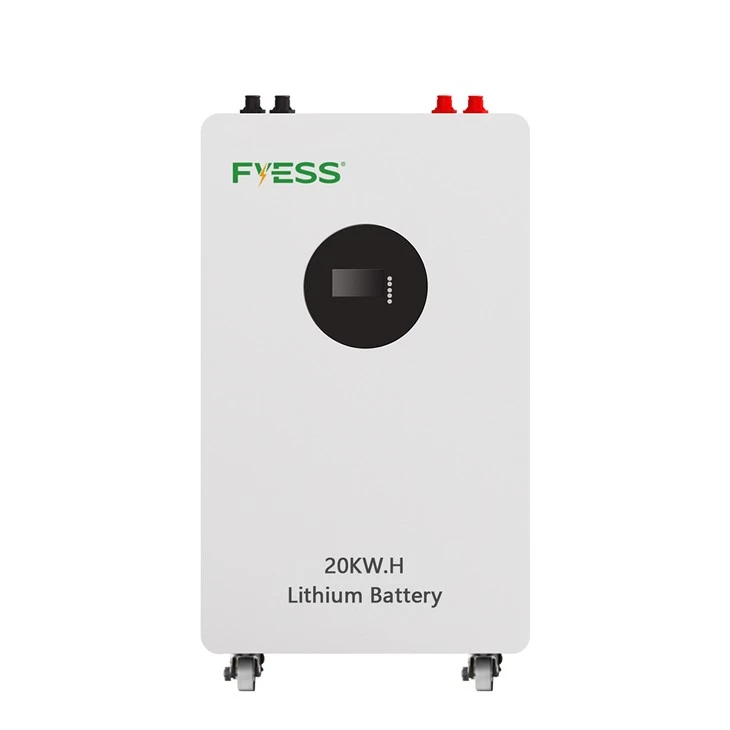
Wait, let’s talk about charging habits too — because a lot of people mistake user error for a faulty battery. If you’re using a charger that’s not compatible with your lithium battery (like a lead-acid charger for a lithium unit), that can damage the cells and make it act faulty. Or if you’re leaving the battery fully discharged for weeks on end — lithium batteries don’t like being at 0% for long, that causes permanent damage. I once had a customer who stored his off-grid battery in a garage for three months without charging it, and when he hooked it back up, it only held 20% capacity — that’s user error, not a faulty unit. But it’s still important to distinguish between natural aging and actual faults. Natural aging is slow, gradual capacity loss over years; a fault is a sudden, unexpected drop, swelling, or error that comes out of nowhere.
Another less obvious red flag: inconsistent performance during use. If your battery dies randomly — one minute it’s at 50%, the next it’s at 0% — that’s a cell imbalance issue, which is a common fault in lithium batteries. The BMS is supposed to balance the cells, but if it’s faulty or the cells are mismatched, you’ll get weird, unpredictable power drops. For example, a portable floor-standing lithium battery that runs your fridge but then shuts off when you plug in a light is a sign of cell imbalance, not just low power.
So what do you do if you spot a faulty battery? First, stop using it — don’t keep testing it, that can make the problem worse. If it’s under warranty, reach out to the supplier. Since we’re a lithium battery supplier, we always tell customers to have their battery model and serial number ready when they contact us, that way we can look up its specs and troubleshoot quickly. If it’s not under warranty, dispose of it properly — lithium batteries can’t go in regular trash, so take them to a recycling center that handles lithium-ion units.
Here’s the thing: at the end of the day, most faulty lithium batteries are preventable with a little regular check-in. We recommend doing a quick visual and performance check once a month — look for swelling, test the charge cycle, check for overheating. For our customers with residential or off-grid systems, we even send out a simple checklist to make this easy.
If you’re looking for a reliable battery system — whether it’s for your home, off-grid setup, or portable use — we’ve got you covered. Our team can help you pick the right system, walk you through how to maintain it, and troubleshoot any issues if they come up. If you have questions about a faulty unit or want to learn more about our products, reach out to us directly to discuss your needs and find the best solution for you.
References
- Battery University. (n.d.). Lithium-Ion Battery Basics. Retrieved from batteryuniversity.com
- National Renewable Energy Laboratory. (2022). Lithium Battery Safety and Performance Guidelines. U.S. Department of Energy.
- International Energy Agency. (2023). Global Lithium Battery Market and Fault Detection Trends.