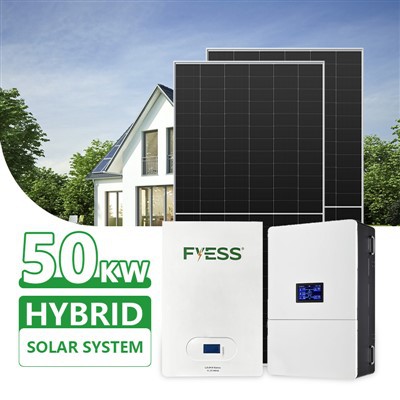
If you’ve invested in a hybrid solar inverter, you already know it’s the workhorse of your off-grid or grid-tied solar system—balancing solar panel power, battery storage, and grid connectivity to maximize energy savings and reliability. But like any piece of electrical equipment, these inverters don’t run indefinitely without intentional care. As a hybrid solar inverter supplier with years of working with residential and commercial installers, I’ve seen firsthand how routine maintenance can extend an inverter’s lifespan by 5 to 10 years, avoid costly downtime, and keep your energy setup running at peak efficiency. In this post, I’ll break down exactly what maintenance your hybrid solar inverter needs, why each step matters, and how to schedule it to fit your system’s unique setup.
First, let’s start with the basics: hybrid solar inverters are designed to switch seamlessly between solar power, battery storage, and grid power, which means they have more moving parts and electrical connections than standard grid-tied inverters. That extra complexity makes targeted maintenance critical, because even a small issue—like a loose connection or a dirty cooling vent—can trigger error codes, reduce energy output, or lead to permanent damage. I’ve had customers who skipped annual checks and ended up needing a full inverter replacement after just 7 years, while others who stuck to a maintenance schedule have run their units reliably for 15+ years.
Let’s dive into the routine maintenance tasks, starting with the simplest and most overlooked step: visual and environmental inspections. Your inverter doesn’t exist in a vacuum—it lives in your garage, on your exterior wall, or in a utility closet, and its surroundings directly impact its performance. Each quarter, you should do a quick walkaround (or quick check, if you monitor your system remotely) to confirm a few key things:
-
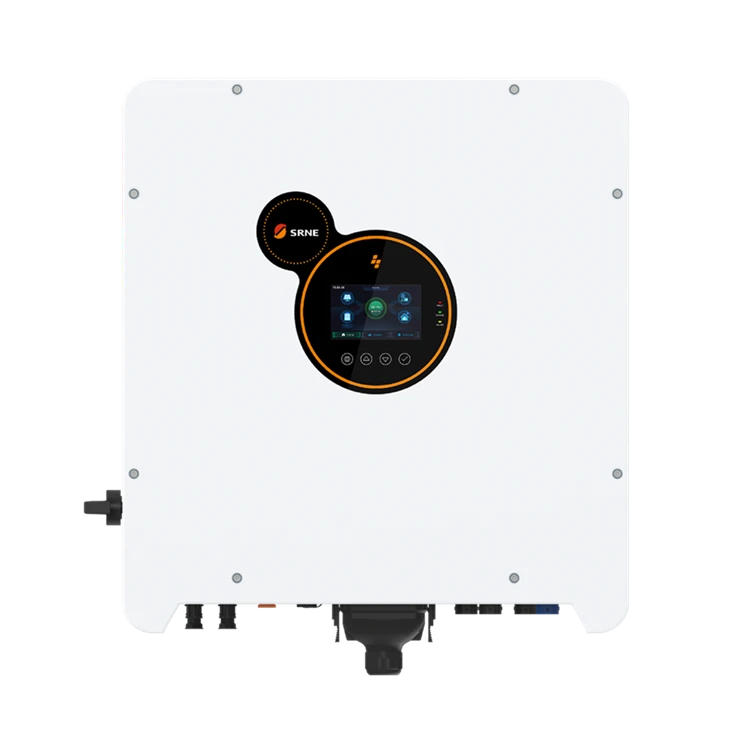
Coolant vents and fan clearance: Hybrid inverters generate heat during operation, so they rely on unobstructed vents and cooling fans to stay within a safe temperature range (most manufacturers recommend operating between -4°F and 140°F). If your inverter is stuffed next to shelves, hidden behind tools, or covered by dust, leaves, or bird droppings, it can overheat, triggering automatic shutdowns. I always tell installers to make sure there’s at least 12 inches of clearance on all sides of the inverter, and to wipe down vents with a soft, dry cloth every 3 months to remove debris. For commercial systems with larger units, like our high-voltage three-phase hybrid solar storage inverter, we also include a built-in filter that should be checked every 6 months—clogged filters are a top cause of preventable overheating in commercial setups.
-
Physical damage to the unit: A quick scan for dents, cracked casing, or frayed cables can catch small issues before they become big problems. Even a tiny crack in the inverter’s plastic casing can let moisture in, leading to corrosion on internal circuit boards. If you notice damage, turn off the system at the main breaker immediately and contact a certified technician—never attempt to repair the casing yourself, as hybrid inverters carry high DC voltage that can be fatal.
-
Monitoring system performance: Most modern hybrid inverters come with a Wi-Fi or app-based monitoring tool that lets you track daily energy production, battery charging rates, and error codes. I recommend checking this dashboard once a week to look for red flags: sudden drops in solar output when panels are clear, battery not charging fully during the day, or repeated error codes (look for codes related to grid connection or overvoltage in your inverter’s manual). For example, if you notice your 6kw hybrid inverter is showing a consistent error related to battery communication, it could be a loose connection that a quick inspection can fix, rather than a major component failure.
Next up: electrical connection checks, which should be done twice a year (spring and fall, before high summer heat or winter cold sets in). Hybrid inverters rely on secure connections between solar panels, batteries, the grid, and the inverter itself, and temperature changes can cause wires to expand and contract, leading to loose connections over time. This task isn’t something you should do on your own unless you’re a certified electrician—high DC voltage from solar panels and batteries is not safe to work with without proper training. But as a supplier, I’ve trained hundreds of installers to spot common connection issues during maintenance checks:
-
Tightening DC connections: The wires carrying power from your solar panels to the inverter and from your battery bank to the inverter are low-voltage? No, wait—DC voltage from solar panels can range from 12V to 1000V, depending on your system, and loose connections here can cause arcing, which damages components and reduces power flow. Technicians use a torque wrench to tighten connections to the manufacturer’s specifications (for most of our inverters, like our 15-30kw three phase hybrid solar inverter, that’s 2.5 to 3.5 Nm of torque for DC connections).
-
Checking AC connections: The wires connecting your inverter to the grid and your home’s electrical panel should also be tight, but AC voltage (120V or 240V) is lower risk than DC, but still worth checking. Loose AC connections can cause intermittent power outages or damage to your inverter’s internal transformer.
-
Inspecting ground connections: Proper grounding is non-negotiable for hybrid inverters, as it protects against electrical shock and lightning damage. Your installer will check that the ground wire is securely attached to the inverter and your home’s grounding rod, and that there’s no corrosion on the ground lug. Corrosion here is a common issue in coastal areas, where salt air eats away at metal connections—we recommend applying anti-corrosion grease to ground connections for customers in high-salt environments.
Battery-related maintenance is a key part of hybrid inverter care, because the inverter and battery bank work hand in hand. Hybrid systems store excess solar energy in batteries for use at night or during outages, so a poorly maintained battery will drag down your inverter’s performance. Most modern hybrid inverters use lithium-ion batteries, which require less maintenance than old lead-acid batteries, but they still need a few checks:
-
Battery temperature checks: Lithium-ion batteries perform best between 50°F and 80°F. If your inverter is installed in a hot attic, the battery’s temperature can rise above 100°F, shortening its lifespan. During semi-annual maintenance, technicians will check the battery’s temperature (most inverters have a built-in sensor, but some also have external temperature probes) and confirm that the inverter is adjusting charging rates accordingly. If you have a system with our 12kw single-phase hybrid inverter, which pairs with most common lithium-ion battery brands, the inverter will automatically adjust charging to avoid overheating, but it’s good to confirm that feature is working during checks.
-
Battery state of health (SoH): Over time, lithium-ion batteries lose capacity, with a typical SoH of 80% after 10 years. Your inverter’s monitoring dashboard will display the SoH, and during maintenance, a technician can run a deep discharge test to confirm it’s accurate. If the SoH drops below 80%, you may need to replace some battery cells before they cause the inverter to stop working properly.
-
Battery terminal cleaning: Even with lithium-ion batteries, corrosion can build up on terminals over time, especially if the battery is in a dusty or humid space. Technicians will clean terminals with a baking soda solution (1 part baking soda to 10 parts water) to neutralize corrosion, then rinse and dry thoroughly before tightening connections.
Now, let’s talk about firmware updates—a often overlooked part of hybrid inverter maintenance. Just like your phone or laptop, inverters have software that controls their operations, and manufacturers release updates to fix bugs, improve efficiency, and add new features. These updates are usually delivered over Wi-Fi to your inverter, but they don’t always install automatically, especially if your Wi-Fi connection is weak. I recommend checking with your installer once a year to confirm your inverter is running the latest firmware. For example, a 2023 firmware update for our high-voltage three-phase hybrid solar storage inverter added a feature that allows users to prioritize battery charging during off-peak grid hours, which can cut electricity costs by an extra 10% for grid-tied customers. Skipping firmware updates can lead to compatibility issues with new battery systems or even security vulnerabilities, so this is a quick, low-effort task that makes a big difference.
Seasonal maintenance deserves its own section, because different times of year require different care. In the spring, before summer’s high heat, you should focus on clearing vents and checking cooling systems to prevent overheating. In the fall, before winter’s cold, check connections for tightness (cold temperatures can make wires contract, leading to looseness) and confirm that your inverter is set to handle lower solar output during shorter days. For off-grid systems, which rely entirely on the inverter and battery bank, winter maintenance also includes checking the inverter’s frost protection features—some smaller inverters, like our 15kw single phase hybrid solar inverter, have a built-in heater to prevent internal components from freezing in cold climates, and you’ll want to confirm that heater is working before temperatures drop.
What about common issues that require immediate attention, rather than routine maintenance? If your inverter is making unusual noises (buzzing, grinding, or clicking), showing persistent error codes, or not switching between solar and battery power properly, that’s a sign you need a technician to diagnose the problem. I’ve seen customers try to fix these issues on their own, leading to more damage—for example, a customer in Texas tried to reset their inverter during a grid outage, and accidentally shorted the DC connection, ruining a $1,500 inverter. When in doubt, reach out to a certified technician; as a supplier, we work with a global network of installers who are trained to service our entire line of hybrid inverters, from the 6kw hybrid inverter for small residential setups to the high-voltage three-phase models for commercial farms.
Finally, let’s talk about a long-term maintenance tip: keeping records. Every time you do a maintenance check, write down the date, what you inspected, any issues found, and any repairs done. This log will help you spot patterns—for example, if every spring your inverter’s fan is clogged with pollen, you can adjust your cleaning schedule to be more frequent in spring. It also makes it easier to sell your home or business, because buyers will see that your solar system has been well-maintained, which can boost the value of your property by 4-6%, according to a 2024 study by the Solar Energy Industries Association.
As a hybrid solar inverter supplier, I can’t stress enough that maintenance is an investment, not an expense. A $100 annual maintenance check can save you thousands in replacement costs, keep your energy savings on track, and ensure your system is reliable when you need it most—whether that’s during a summer heatwave when AC use is high, or a winter storm that knocks out the grid.
If you’re ready to invest in a hybrid solar inverter for your home or business, or if you have questions about maintaining the system you already have, get in touch with our team to discuss your needs. We offer a range of hybrid inverters to fit every setup, including our high-voltage three-phase hybrid solar storage inverter for commercial applications, 15-30kw three phase models for mid-sized businesses, 15kw single phase options for small homes, 6kw hybrid inverters for compact residential setups, and 12kw single-phase hybrid inverters for larger homes with high energy use. Our technicians are available to answer your questions and help you schedule routine maintenance to keep your system running smoothly.

References
- Solar Energy Industries Association. (2024). The Value of Well-Maintained Solar Systems in Residential Property Transactions. SEIA Research Report.
- International Electrotechnical Commission. (2022). Maintenance Guidelines for Grid-Connected and Hybrid Solar Inverters. IEC 62116 Standard.
- Department of Energy. (2023). Hybrid Solar Inverter Performance and Longevity: A Field Study. Office of Energy Efficiency & Renewable Energy.
- National Electrical Contractors Association. (2022). Best Practices for Electrical Connection Maintenance in Solar Systems. NECA Technical Bulletin 12-22.